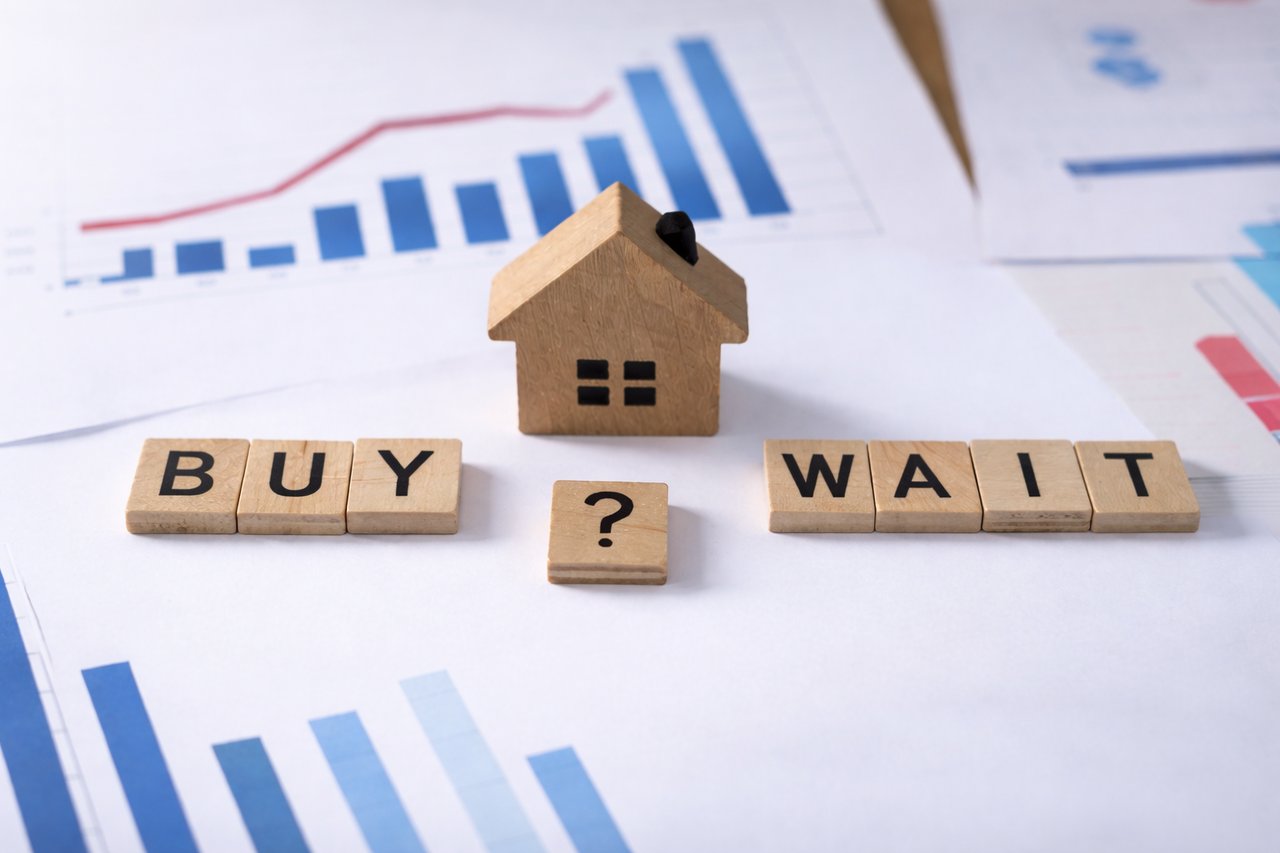
Should I Wait to Buy a House or Buy Now?
The decision to buy now or wait is rarely about the market alone. It depends on your financial readiness, long term plans, and whether homeownership fits your goals and lifestyle.
This is one of the most common questions buyers ask, especially when interest rates are higher than they were in the past or when market conditions feel uncertain. Many buyers worry about making the wrong move or purchasing at the wrong time, but the decision is usually more personal than market driven.
Why Waiting Feels Safer Than It Often Is
Waiting can feel like the safer option, especially when buyers hope for lower rates or improved pricing. The challenge is that housing markets rarely change in predictable ways. Conditions can shift quickly, and waiting does not always lead to better opportunities.
By the time it becomes clear that rates or prices have improved, competition often returns just as quickly. Increased demand can offset many of the advantages buyers hoped to gain by waiting.
How Long Term Ownership Changes the Equation
One of the most important factors in deciding whether to buy now or wait is how long you plan to stay in the home. Short term market fluctuations tend to matter less when you expect to own the property for several years.
If you plan to remain in a home for five to seven years or longer, timing becomes less critical. What matters more is purchasing a home that fits your needs, your budget, and your long term lifestyle goals.
How Interest Rates and Competition Interact
Interest rates influence both affordability and competition. Higher rates may increase monthly payments, but they often reduce the number of buyers actively competing. This can create more negotiating room, fewer bidding wars, and a more manageable pace for decision making.
When rates decline, demand often increases quickly. This can lead to stronger competition and faster price growth, which may reduce the advantage of a lower interest rate.
Understanding this relationship helps buyers see the broader picture.
Local Market Conditions in Greater Hartford
In Greater Hartford towns such as West Hartford, South Windsor, Glastonbury, Manchester, Enfield, Vernon, Tolland, and Ellington, buyers are generally no longer facing the extreme urgency that existed several years ago. Homes are still selling, but buyers often have more time to evaluate options and negotiate terms.
This has created a more approachable environment for buyers who are financially prepared and focused on long term goals.
What Buyers Should Consider Before Deciding
When deciding whether to buy now or wait, buyers should evaluate:
-
Financial stability and income confidence
-
Comfort with the projected monthly payment
-
Expected length of ownership
-
Personal and lifestyle goals
-
Local market conditions and inventory
-
Long term housing needs
These factors typically provide more clarity than trying to predict short term market movements.
Frequently Asked Questions
Is it better to wait for interest rates to drop?
Not necessarily. Lower rates often increase competition, which can push prices higher. The decision should focus on affordability and readiness rather than rate predictions alone.
Will home prices fall if I wait?
Price movements vary by market and are difficult to predict. Waiting does not guarantee better conditions and may introduce new challenges.
Can I refinance if rates improve later?
In many cases, buyers can refinance if interest rates decline in the future, assuming financial qualifications allow.
Final Thoughts
The better question is not whether you should buy now or wait, but whether buying now puts you in a stronger position over time. Financial readiness, long term plans, and lifestyle goals are usually more important than short term market conditions.
If you are considering buying in West Hartford, South Windsor, Glastonbury, Manchester, Enfield, Vernon, Tolland, Ellington, or anywhere in the Greater Hartford area, I am always happy to help you evaluate your options and determine what timing makes the most sense for you.