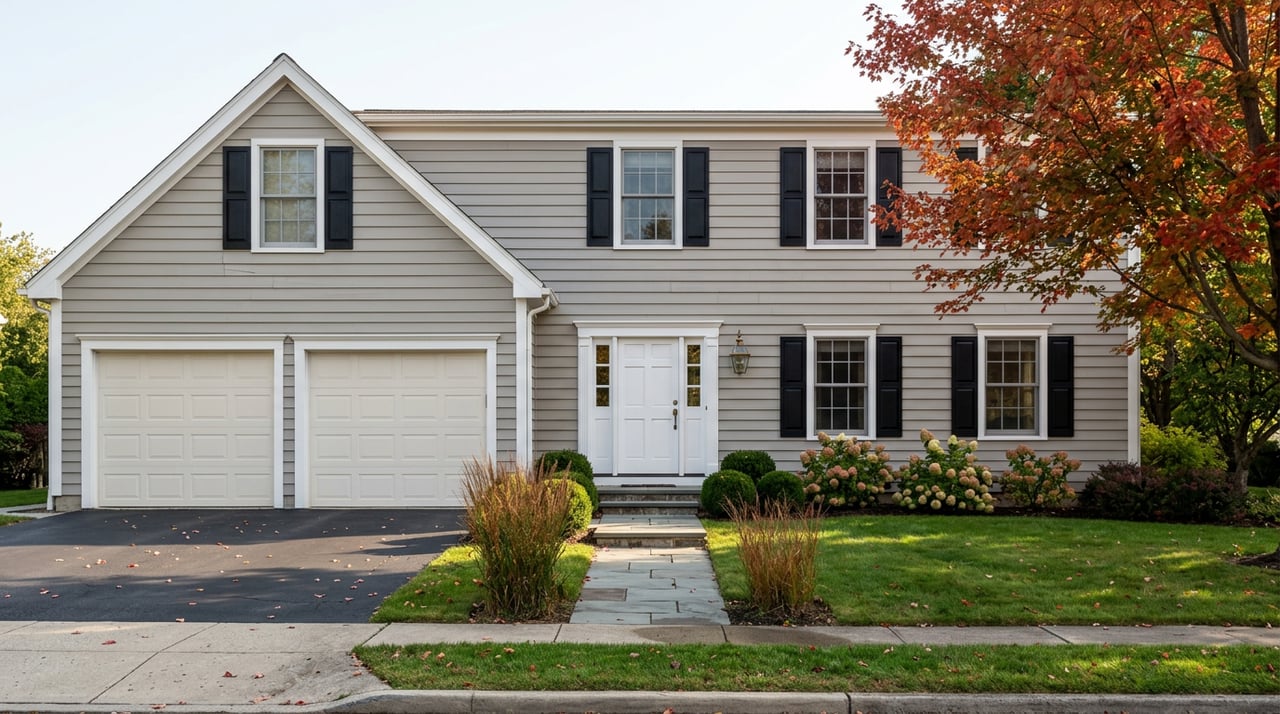
If you have built years of equity in your West Hartford home, downsizing can look like an easy win. Sell high, buy smaller, and free up cash, right? In reality, the numbers can shift quickly once you factor in taxes, timing, closing costs, and monthly expenses on the next home. The good news is that with the right plan, you can protect more of your equity and make a move that truly improves your finances. Let’s dive in.
Why equity can slip away
In West Hartford, many longtime owners are sitting on meaningful equity. The town’s 2025 median sales price history shows about $530,000 for single-family homes, $332,000 for condos, and $508,000 overall, while other recent sources also point to a strong market with homes moving quickly. According to the Town of West Hartford median sales price history, pricing has remained relatively strong, which can create a solid selling opportunity.
That said, a strong market does not guarantee a better outcome. If you focus only on sale price instead of net proceeds, it is easy to underestimate how much you will spend on the move itself. Downsizing without losing equity starts with understanding what you will actually keep after the sale and what the replacement home will really cost.
Start with net proceeds
Your gross sale price is only the top-line number. What matters more is how much money is left after seller expenses, taxes, and any mortgage payoff. That net number is what you can use for your next purchase, reserves, or other goals.
One of the biggest line items is Connecticut’s real estate conveyance tax. According to the Connecticut Department of Revenue Services annual report, the state rate for residential property is 0.75% up to $800,000, 1.25% from $800,000 to $2.5 million, and 2.25% above $2.5 million. Because the seller files the conveyance tax return when the deed is recorded, this cost should be included early in your planning.
Estimate your West Hartford carrying costs
Before you sell, compare your current monthly housing costs with the likely costs of the next property. West Hartford’s Tax Office FAQs note that the town’s mill rate is 44.78 and that real estate is assessed at 70% of fair market value. Even if your next home is smaller, property taxes will still be part of the equation.
If you currently receive tax relief, this is an important time to verify how a move could affect that benefit. The town notes potential relief programs for elderly and or totally disabled homeowners, veterans, and legally blind residents. If one of those programs applies to you now, confirm the details before you decide that a move automatically improves your monthly budget.
Compare smaller home options carefully
A smaller property does not always mean lower overall costs. In many downsizing moves, the surprise is not the purchase price. It is the monthly carrying cost after closing.
Condo costs vs single-family costs
A condo may reduce exterior maintenance, but it can introduce recurring dues that change the math. The Consumer Financial Protection Bureau notes that condo or HOA fees are generally paid separately from the mortgage payment and should be counted as part of your monthly housing budget.
A smaller single-family home may avoid HOA dues, but it still comes with taxes, insurance, and ongoing upkeep. In West Hartford, the better question is not whether the property is smaller. It is whether the total monthly cost is meaningfully lower than what you pay now.
Closing costs on the replacement home
Buying the next home also comes with upfront costs. The CFPB homebuying guidance says closing costs typically range from 2% to 5% of the purchase price. That means a lower-priced home can still require a significant amount of cash at closing.
When you are trying to preserve equity, this is where careful planning matters. If your goal is to improve cash flow, make sure your down payment, closing costs, and future monthly expenses all support that goal.
Use the IRS exclusion wisely
For many sellers, the federal home-sale exclusion is one of the most important tools in the downsizing decision. The IRS guidance on Topic No. 701 explains that eligible homeowners may exclude up to $250,000 of gain if filing single or up to $500,000 of gain for many joint filers, generally if they meet the ownership and use tests for 24 months out of the previous 5 years.
This is why basis and expected gain matter. If you have owned your home for a long time, your equity position may be strong, but your tax picture still needs a close look. A smart downsizing plan should include an estimate of gain before you list, not after you accept an offer.
Sequence the sale and purchase carefully
For many downsizers, timing is the most stressful part of the move. You may want to sell while the market is favorable, but you also need a place to go. Protecting equity often comes down to reducing rushed decisions.
Use contingencies strategically
The National Association of Realtors consumer guide to contingencies explains that home-sale and home-close contingencies can help coordinate two transactions. These clauses can give you protection if your next move depends on your current home selling or closing first.
Contingencies do not remove all risk, but they can create structure. In a fast-moving market, that structure can help you avoid accepting less favorable terms just because the two sides of the move are out of sync.
Avoid repair surprises
Inspection issues can also affect your net proceeds. The CFPB inspection guidance notes that a buyer may cancel without penalty if the contract is contingent on a satisfactory inspection and serious problems are discovered.
For sellers, that means obvious deferred maintenance can become expensive later. In many cases, it makes sense to address visible issues before listing or price the home with repair room in mind. If timing matters more than completing every fix, a closing-cost credit may sometimes keep a deal moving more efficiently than doing the repair yourself.
Know your financing backup plans
Some downsizers need to buy the next home before the current one closes. That can work, but it should be approached carefully because short-term financing can put pressure on your equity if the sale takes longer than expected.
Bridge loans as a short-term tool
The CFPB regulatory guidance recognizes bridge loans as a temporary financing structure, often for 12 months or less, when a current dwelling is expected to sell within a year. This can solve a timing problem, but it is still debt and should be treated as a backup strategy, not the default plan.
Equity-based purchase options for age 62+
If you are 62 or older, the CFPB reverse mortgage guidance notes that a HECM for Purchase can be used to buy a new principal residence with reverse mortgage proceeds. You would still need cash for the down payment and closing costs, so this option should be compared carefully against other ways to use your equity.
A HELOC can also be used as an equity tool, but it is debt secured by your home. That makes repayment risk an important part of the conversation if your goal is to simplify your finances.
A practical downsizing checklist
If you want to downsize in West Hartford without giving away equity, focus on these steps first:
- Estimate your true net proceeds, not just your likely list price.
- Account for Connecticut conveyance tax and other seller closing costs.
- Review your eligibility for any West Hartford tax-relief programs that may change after a move.
- Compare the next home’s property taxes, insurance, maintenance, and any HOA dues.
- Budget for 2% to 5% in buyer closing costs on the replacement home.
- Review whether you may qualify for the IRS home-sale exclusion.
- Build a timeline that coordinates your sale and purchase with the right contingencies.
- Decide in advance how you will handle repairs, credits, or inspection requests.
- Consider bridge financing or equity-based tools only if they clearly support your goals.
The real goal of downsizing
Downsizing is not just about moving into fewer square feet. It is about converting home equity into more flexibility, lower carrying costs, and a lifestyle that fits your next chapter. In West Hartford, where pricing has remained relatively strong, the biggest mistake is assuming that a smaller home automatically creates better financial results.
A better plan is to look at the move the way an analyst would: sale price, taxes, net proceeds, replacement costs, monthly budget, and timing. When each piece is measured in advance, you are far more likely to keep the equity you worked hard to build.
If you are weighing whether now is the right time to downsize, Brian Burke CT can help you compare your selling options, estimate likely net proceeds, and build a move plan around your goals.
FAQs
What does downsizing in West Hartford really mean for your equity?
- Downsizing in West Hartford usually means comparing your current home’s likely sale proceeds against the full cost of your next home, including taxes, closing costs, monthly expenses, and timing.
How much is Connecticut conveyance tax when selling a home?
- According to the state, residential conveyance tax is 0.75% up to $800,000, 1.25% from $800,000 to $2.5 million, and 2.25% above $2.5 million.
Are condo fees included in your monthly mortgage payment when downsizing?
- No. CFPB guidance says condo or HOA dues are generally paid separately from the mortgage payment and should be included in your total monthly housing budget.
Can you use the IRS home-sale exclusion when downsizing from a longtime home?
- You may be able to exclude up to $250,000 of gain if filing single or up to $500,000 for many joint filers if you meet the IRS ownership and use tests.
What is the biggest financial mistake when downsizing in West Hartford?
- One of the biggest mistakes is focusing only on the sale price instead of true net proceeds after conveyance tax, closing costs, repairs, and the monthly cost of the replacement home.