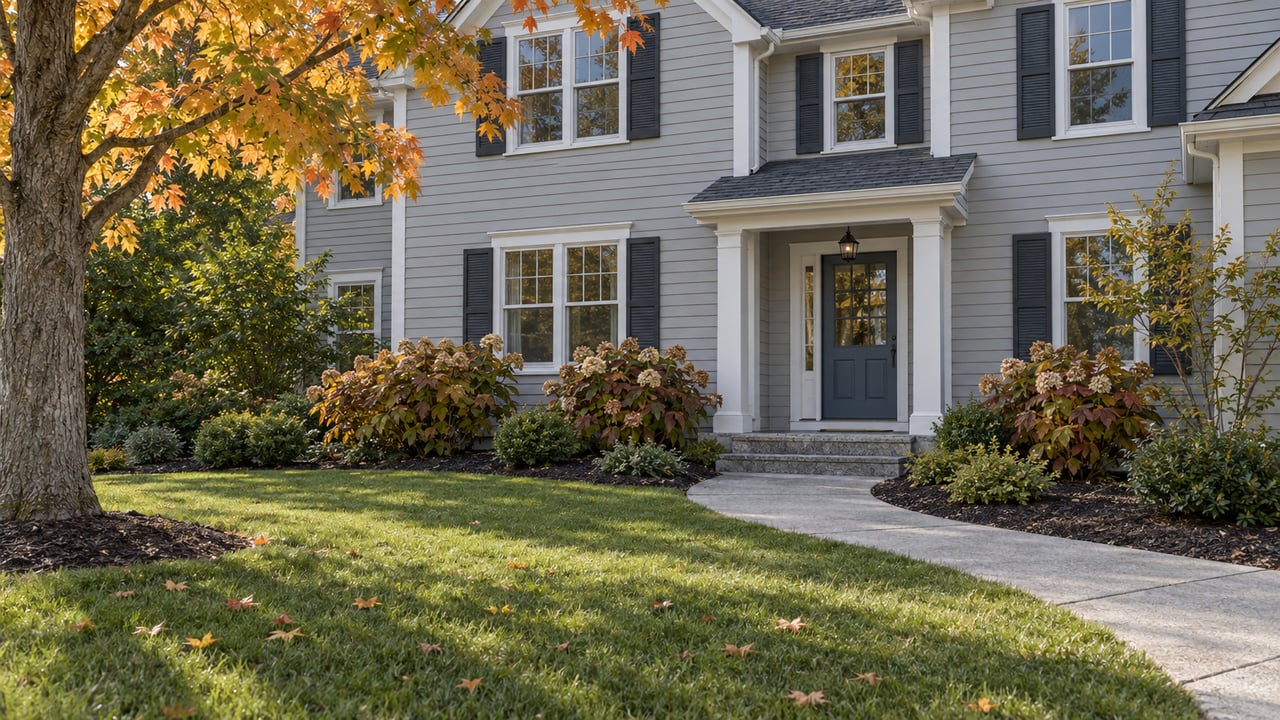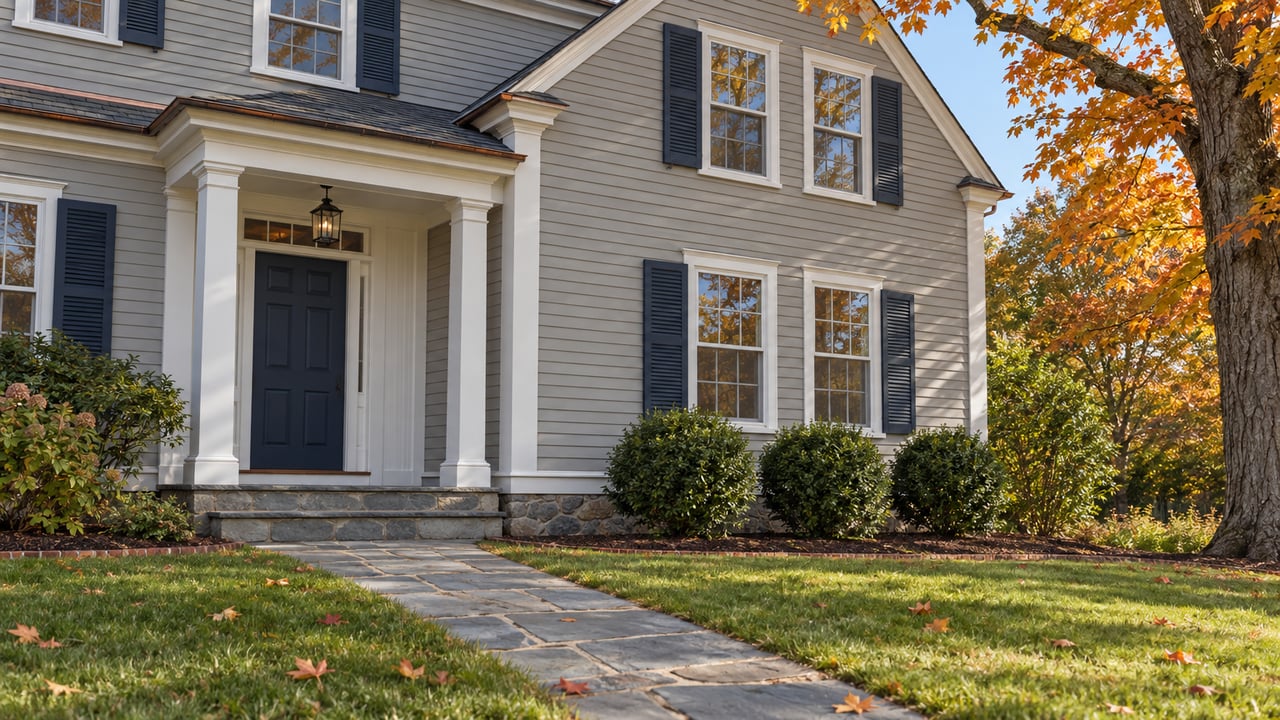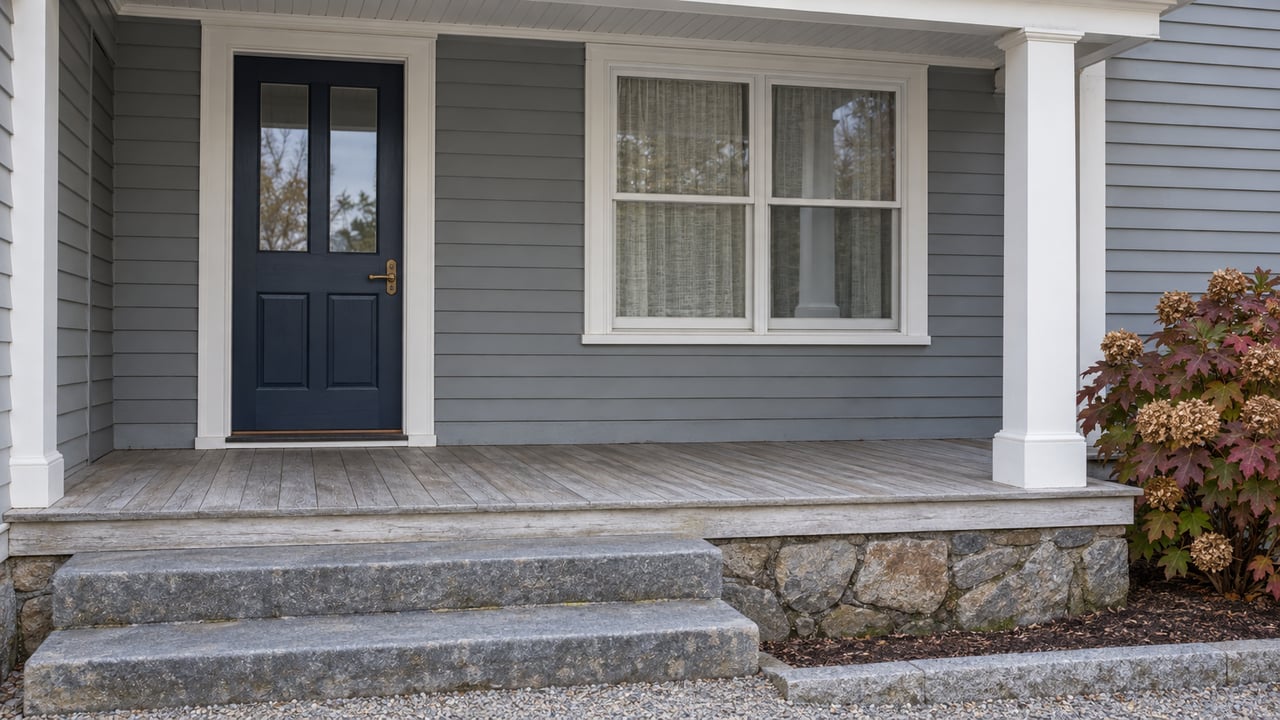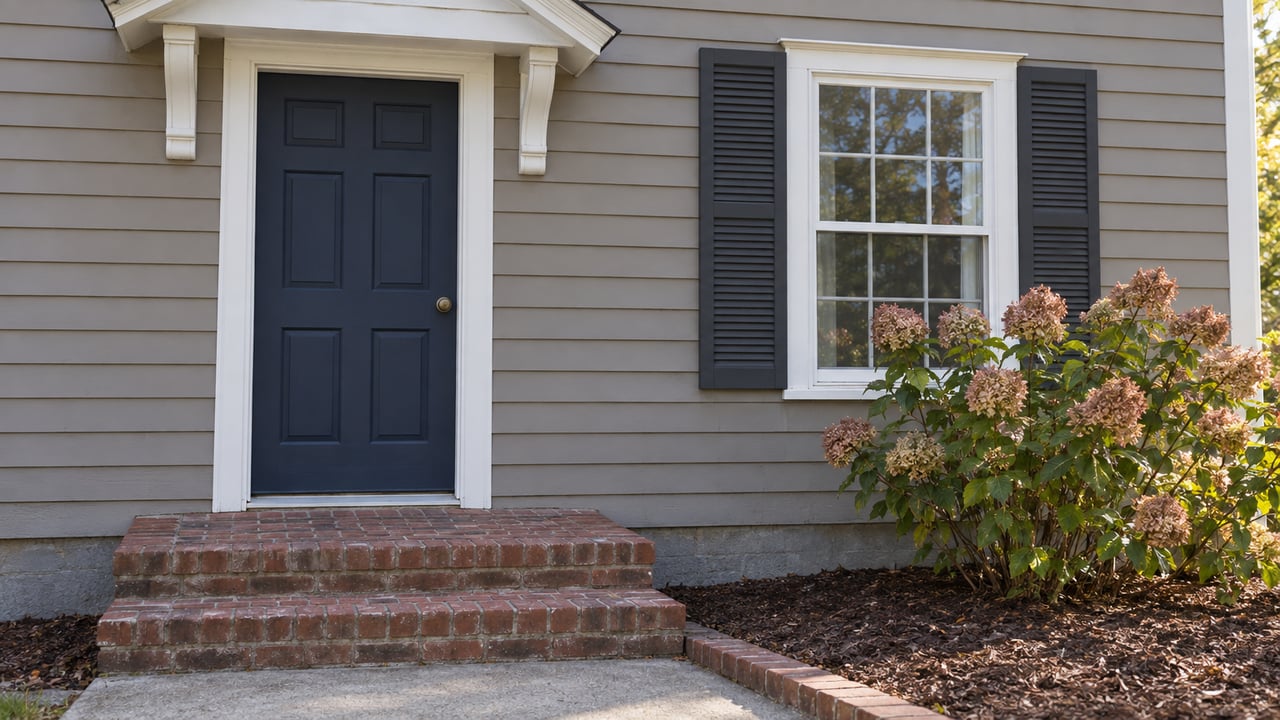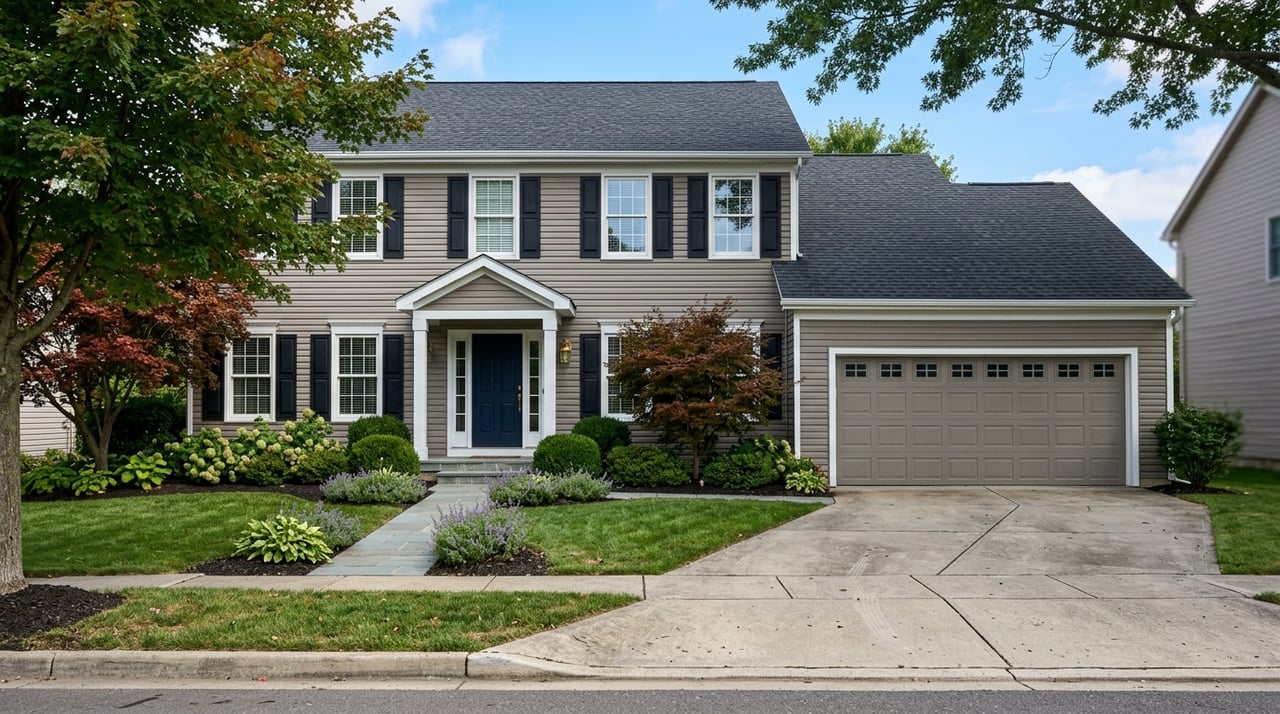
If you are trying to choose between a starter home and a move-up home in Manchester, you are not just comparing prices. You are weighing space, condition, location, and how long you want the home to work for your life. In a town with older neighborhood housing, newer suburban patterns, and a wide range of price points, that decision deserves a clear look at the tradeoffs. Let’s break down how Manchester starter homes versus move-up options really compare.
Manchester offers a true housing spectrum
Manchester stands out because it serves both local buyers and commuters. The town profile shows about 59,473 residents, 25,051 households, and a mean commute time of 21 minutes. It also sits within a 45-minute catchment of roughly 1.43 million people, which helps explain why demand comes from different types of buyers.
That broader demand supports a market with real variety. Recent measures show Manchester home values and sale prices at different points depending on the source and time frame, from median home values in the high $200,000s to a median sale price around $301,000 as of May 2026. Compared with Connecticut’s statewide median owner-occupied value of $366,900, Manchester still reads as relatively affordable.
What counts as a starter home in Manchester
In Manchester, “starter home” is market shorthand, not an official category. The best local proxy comes from the town’s zoning pattern and housing stock. On the lower-entry side, Residence B and Residence C zoning allow smaller lots and an 850-square-foot minimum habitable area, which helps explain why entry-level homes often come with less land and less interior space.
Residence B allows minimum lots of 9,000 square feet and 75 feet of frontage. Residence C allows 7,200 square feet and 60 feet of frontage, and it also allows two-family homes on smaller parcels with 3,600 square feet per residence and 30 feet of frontage. These are zoning minimums, not listing norms, but they help frame why many starter options feel more compact.
Starter homes are often older
Manchester’s older development pattern shapes much of the entry-level market. The town’s long-range plan says more than 25% of homes were built before 1940, and a later demographic update still shows a large pre-1950 share. That means many smaller homes come with older systems, older layouts, and a higher chance of needing updates.
The town also notes that older homes often require significant work to modernize mechanical systems and correct structural issues. For you as a buyer, that matters just as much as the list price. A lower purchase price can still lead to a larger total cost if the roof, heating system, wiring, or foundation need attention.
Starter homes are often closer to established amenities
Many older neighborhoods are concentrated on the East and West sides and the North End. Those areas reflect Manchester’s traditional street grids, pedestrian-oriented mixed-use blocks, streetcar suburb patterns, and postwar housing. In practical terms, that often means a starter home may place you closer to downtown, parks, and everyday services.
That convenience can be a major advantage. Downtown Manchester offers a walkable Main Street, Mary Cheney Library, Center Memorial Park, and seasonal events. The town also has access to Center Springs Park, Northwest Park, Union Pond Park, Charter Oak Park, and a broader network of open space, bike trails, and formal and informal trails.
What counts as a move-up home in Manchester
A move-up home in Manchester is usually less about a strict price band and more about what you gain. In most cases, that means more square footage, a larger lot, more privacy, and often a more turnkey condition. Local zoning again helps explain the pattern.
On the higher-space side of the market, Residence A and Residence AA zoning point toward larger-lot single-family living. Residence A requires a 12,000-square-foot minimum lot, 100 feet of frontage, and at least 1,100 square feet of habitable floor area. Residence AA requires 18,000 square feet, 120 feet of frontage, and 1,250 square feet of habitable area, with lower overall density.
Move-up homes usually prioritize space
These zoning patterns support a more suburban lot layout. In practice, that often means more yard space, more separation from neighboring homes, and floor plans that better support changing household needs. If you need extra bedrooms, flexible work space, a larger kitchen, or room to stay longer term, move-up options are often a better fit.
Manchester’s planning documents note that newer housing stock has helped attract households with relatively high disposable incomes. They also point out that higher prices and more homogeneous housing patterns can limit access for some buyers. So while move-up homes may solve for space and condition, they can also require a bigger upfront commitment.
Move-up homes often feel more turnkey
Manchester’s detached-home market spans a broad range, roughly from $150,000 to more than $400,000 according to MetroHartford Alliance. That range matters because it shows the move-up tier is not one fixed number. Instead, it is usually the point where buyers start paying more for convenience, updated finishes, larger lots, and fewer immediate repair needs.
That can be especially appealing if you want predictability. A home that needs less work may let you focus on moving, settling in, and planning ahead instead of managing repairs right away.
Starter home versus move-up home tradeoffs
Choosing between these two paths comes down to how you want to balance budget, maintenance, location, and time horizon. Manchester supports both strategies well, but the right answer depends on your goals.
Here is a simple way to compare them:
| Factor | Starter Home | Move-Up Home |
|---|---|---|
| Entry cost | Usually lower | Usually higher |
| Home age | Often older | Often newer or more updated |
| Lot size | Usually smaller | Usually larger |
| Maintenance risk | Often higher | Often lower at move-in |
| Access to downtown and parks | Often stronger | May trade convenience for space |
| Long-term fit | Good first step | Often better for longer ownership |
How to decide which path fits you
If you are buying your first home, Manchester’s relative affordability can make the starter path attractive. The town’s housing values sit below the statewide owner-occupied median, and the range of condos, smaller single-family homes, and compact older properties gives buyers multiple ways to enter the market. The key is making sure you leave room in your budget for updates if the home is older.
If you expect your space needs to grow soon, a move-up home may save you from making two moves in a short period. More square footage and a larger lot can give you flexibility for work, hobbies, storage, or long-term ownership. In many cases, paying more upfront can reduce the likelihood of outgrowing the home quickly.
Questions to ask yourself
Before you choose, it helps to get specific about your priorities:
- Do you want the lowest entry point, or the least amount of future compromise?
- Are you comfortable taking on repairs and updates in exchange for a lower purchase price?
- How important is being near downtown, parks, and trail access?
- Do you need more room now, or are you planning for the next five to ten years?
- Would a more turnkey home reduce stress enough to justify the higher cost?
Why location matters inside Manchester
Manchester is not one-size-fits-all. Older, more compact homes often line up with established neighborhood patterns and shorter trips to town amenities. Larger-lot homes often line up with more space-oriented settings that may feel better for buyers prioritizing privacy and elbow room.
Neither option is automatically better. It is about matching the housing pattern to the way you want to live day to day. Some buyers would rather have a smaller home near Main Street and parks, while others want a larger house with more indoor and outdoor space, even if that means a little less convenience.
A smart buying strategy starts with the numbers
In a market like Manchester, the best decision usually comes from looking past the asking price. You want to compare total monthly cost, likely repair needs, future resale appeal, and how long the home can serve your needs. That kind of side-by-side analysis can keep you from stretching for the wrong house or settling for one you may outgrow too fast.
A calm, data-driven approach is especially helpful when older homes and newer move-up options offer very different value stories. The right purchase is not always the cheaper one, and it is not always the larger one. It is the one that fits your budget, your timeline, and your next chapter with the fewest surprises.
Whether you are comparing compact older homes near established amenities or larger properties built for longer-term living, a local strategy helps you make the numbers work. If you want help weighing your options in Manchester, reach out to Brian Burke CT to talk through your move.
FAQs
What is considered a starter home in Manchester, CT?
- In Manchester, a starter home is usually a smaller, lower-entry property that aligns with the town’s older housing stock and more compact zoning patterns, often with less land and a greater chance of needing updates.
What is considered a move-up home in Manchester, CT?
- A move-up home in Manchester is generally a larger single-family property with more interior space, a bigger lot, and often a more turnkey condition that may work better for longer-term ownership.
Are Manchester starter homes usually older?
- Yes. Manchester has a significant share of homes built before 1950, and many starter-level options reflect that older housing pattern.
Are move-up homes in Manchester always in one price range?
- No. Local data shows a broad detached-home range, so move-up homes are better defined by added space, privacy, and condition than by one fixed price point.
Is Manchester still relatively affordable compared with Connecticut?
- Yes. Recent town and Census profile data show Manchester’s owner-occupied housing values below the statewide median, which supports its reputation as a comparatively affordable Connecticut market.
Should you choose a starter home or a move-up home in Manchester?
- The better choice depends on your budget, comfort with repairs, desired location, and how long you want the home to meet your needs.