Trying to figure out which West Hartford pocket fits you best? With so many distinct areas packed into one town, it is easy to feel torn between walk-to-dining convenience, a quieter street with more yard, or quick access to transit. This guide breaks down what each neighborhood offers, how prices and walkability compare, and what to look for during showings. You will finish with a clear short list that matches your lifestyle and budget. Let’s dive in.
How to choose your West Hartford fit
Start by ranking your top three priorities: walkable errands and dining, a larger lot and driveway, transit access, or the lowest entry price. West Hartford offers all of these, just not in the same place. Many buyers also cite the local schools as a draw, and the town’s location keeps commute times modest. The key is to pick the pocket that matches how you actually live day to day.
Quick town snapshot
West Hartford is a high-demand suburban town with a population of about 64,184 and a median household income near $125,616, based on recent American Community Survey estimates. The median owner-occupied home value is about $391,200 across 2019–2023 ACS data, which provides helpful context for comparing neighborhoods. The average commute time is about 22 minutes, reflecting proximity to Hartford and highways. You can review these figures on the town’s Census QuickFacts page.
Neighborhood comparisons
West Hartford Center + Blue Back Square
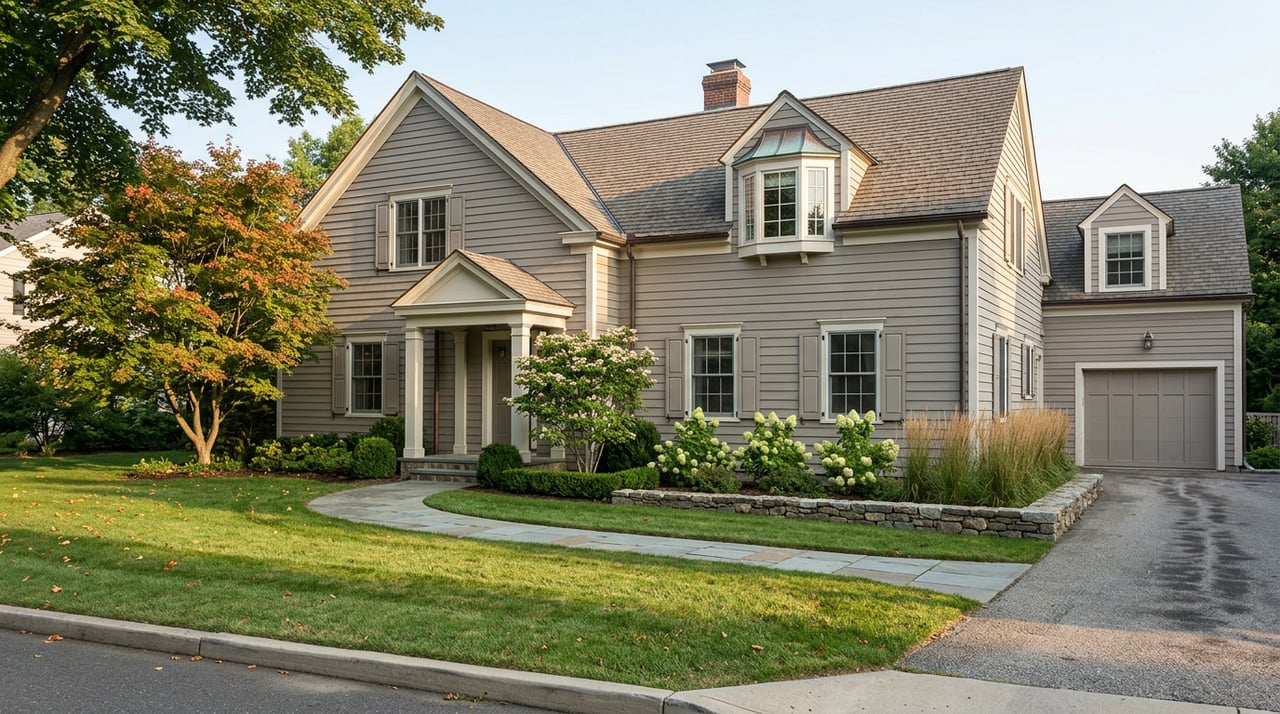
This is the town’s most walkable commercial core with a traditional village feel anchored by Farmington Avenue. Blue Back Square, a newer mixed-use development that expanded retail, dining, condos, and offices, sits adjacent to the Center and strengthens the downtown lifestyle. Housing nearby mixes pre-war colonials and Tudors with small condo and apartment buildings, so you can live within a short walk of amenities. Expect some of the town’s higher price points to cluster in and near the Center due to demand and walkability.
Park Road corridor
Park Road is a compact shopping and dining strip with independent restaurants and everyday services, giving it a village-like vibe. Addresses along Park Road post high walkability scores, often in the mid-80s on Walk Score, which supports short errands on foot. The Trout Brook Trail and local connectivity work continue to improve bike and pedestrian links along this corridor, according to recent project updates. You will find a mix of single-family homes and multi-unit buildings within a short walk or drive, plus steady rental demand.
Elmwood (New Park Ave / New Britain Ave corridor)
Elmwood is the town’s transit-focused growth area served by CTfastrak stations, and the town has adopted a transit-oriented development framework to add more mixed-use and multifamily housing. The ordinance and active projects signal meaningful near-term change, as detailed in the town’s TOD adoption coverage. Local reporting highlights affordable and mixed-income proposals and conversions in Elmwood that may create a wider range of price points and attract investor interest, including coverage of new and planned projects near the corridor discussed by regional news. Historically, Elmwood has offered more modest single-family ranches and condo options than the Center, with some reported condo prices in the low-to-mid $200k to $350k range in local summaries. If transit access and a lower entry price matter more than being steps from the Center, Elmwood should be on your list.
Bishops Corner
Bishops Corner is a major retail node with national tenants like Target and Marshalls/HomeGoods in a series of shopping plazas. It is more auto-oriented than the Center or Park Road, so buyers who prioritize big-box convenience and quick highway access often put this area high on their list. The plaza has seen significant commercial investment and transactions, reinforcing its role as a shopping hub, as reported in local business coverage. Surrounding streets are primarily suburban single-family and multifamily housing, and walkability varies block to block.
Norfeldt, Buena Vista, Webster Hill, Fern Street pockets
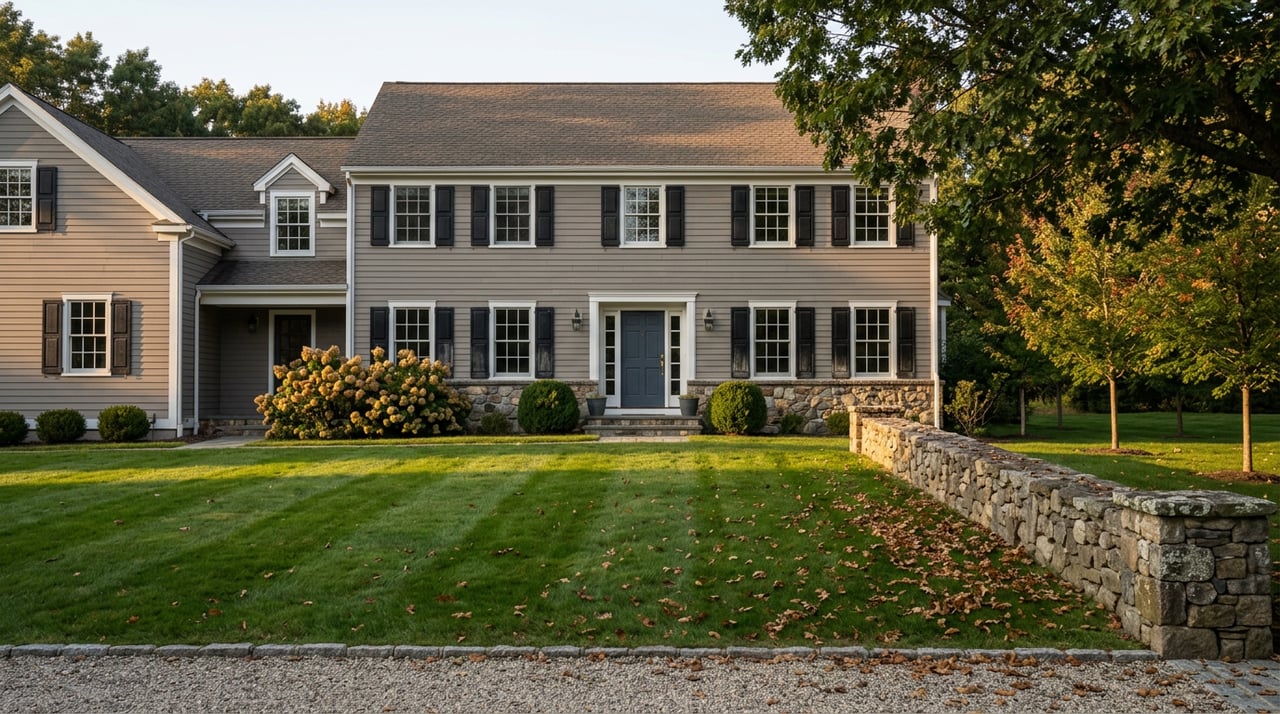
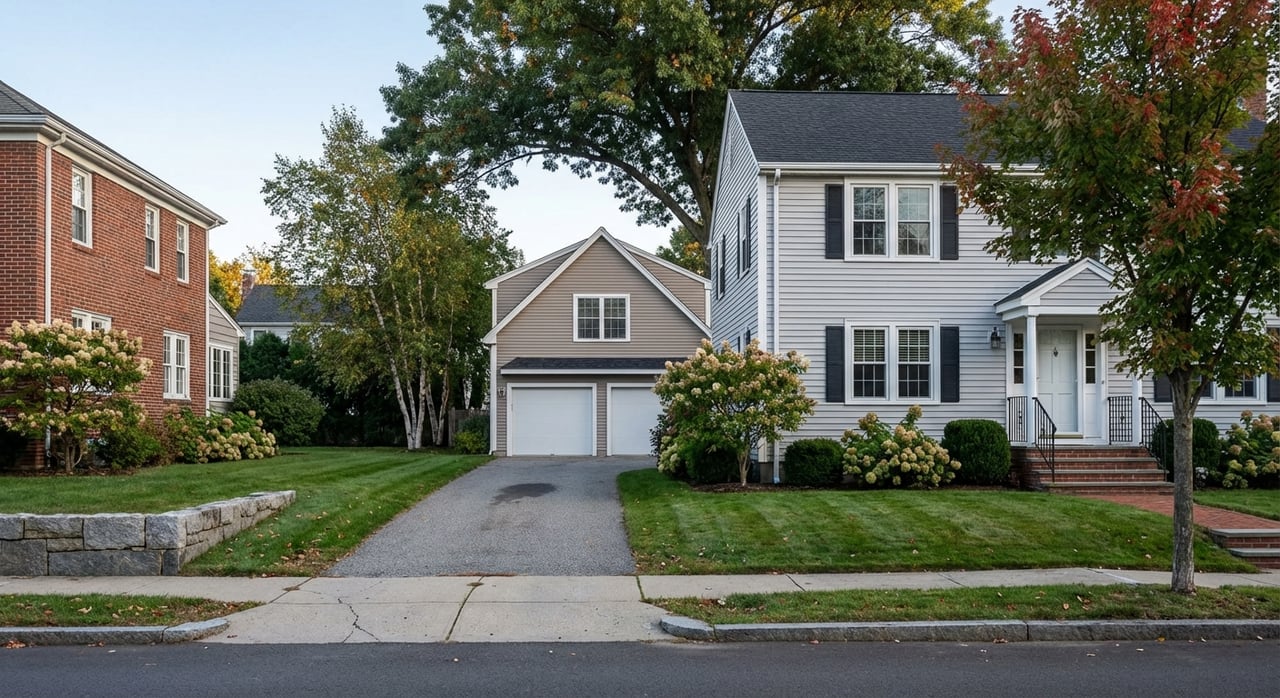
These quieter residential areas are largely single-family with more yard space, driveways, and mid-century or newer housing. Buena Vista offers proximity to the Reservoir and recreational assets, which many buyers appreciate for outdoor time. If your must-haves include larger lots, off-street parking, and a calmer street setting, these pockets often align well. Prices reflect their suburban character relative to the more walkable commercial districts.
Prices by ZIP: what to expect
Town-level trackers vary by methodology and time frame, so use them for context while you confirm street-level numbers with current MLS data. As of early 2026, Zillow’s typical home value for West Hartford is about $468,634 (Jan 31, 2026), while Redfin reports a median sale price near $402,500 (Jan 2026). At the ZIP level, late-2025 snapshots illustrate the spread: 06107 around $739,900, 06117 around $579,950, and 06119 around $339,500. The takeaway is simple: price varies widely by pocket, lot size, and proximity to walkable cores.
Walkability and commuting
Walkability differs sharply across town. Addresses along Park Road often score in the mid-80s on Walk Score, indicating strong everyday convenience for dining and errands. The Center typically falls in the mid-70s to high-80s range on a block-by-block basis, while residential streets farther west and north trend more car-dependent. Average commute time across the town is about 22 minutes, and ongoing improvements like the Trout Brook Trail and TOD projects aim to strengthen non-car options; check an example Walk Score address near Park Road to benchmark what “very walkable” looks like.
Taxes: how mill rates translate
West Hartford publishes current mill rates so you can estimate your tax bill. The real estate and personal property mill rate is 44.78, and the motor vehicle mill rate is 32.46. Multiply the mill rate by each $1,000 of assessed value to estimate your annual tax for a property, then confirm any changes tied to the town’s scheduled revaluation activities for 2026. You can review posted rates on the Town Assessor’s page.
Policy and development to watch
The town adopted a transit-oriented development section in its zoning code to guide growth near CTfastrak and along New Park Avenue. That framework supports more mixed-use and multifamily homes in Elmwood and the Flatbush corridor, which can shift supply and pricing as projects deliver. If you want to understand the policy backdrop, review the TOD language in the town’s code and local reporting on adoption. For buyers considering Park Road and Elmwood, follow news on trail connections and streetscape changes like the Trout Brook Trail study.
Showing strategy: test lifestyle, not just the house
Use showings to pressure-test your daily routines:
- See two homes in different pockets on the same day. Visit midday and again in the evening to compare traffic, lighting, and ambient noise.
- At each home, check sidewalks and crossings, nearest grocery and coffee, on-street versus off-street parking, tree cover and shade, yard orientation, and driveway space. Use a Walk Score address check and a quick drive test to confirm your impressions.
- Ask for the last three years of utility costs, recent roof/HVAC/plumbing work, any HOA or condo assessments, and the most recent tax assessment notice. The 2026 revaluation makes tax verification especially important, and you can cross-check posted mill rates on the Town Assessor’s page.
- If school assignment is a key factor, confirm current West Hartford Public Schools boundaries directly with the district, since attendance zones can change.
Which pocket fits you
- If you want walk-to-dining and a village lifestyle: consider West Hartford Center or Park Road. Use a Walk Score address check to compare specific blocks.
- If you value a lower entry price and transit access: focus on Elmwood and the New Park corridor, where TOD and mixed-use projects are most active.
- If a larger lot, driveway, and quieter street matter most: explore Norfeldt, Buena Vista, Webster Hill, and Fern Street.
- If you prioritize big-box convenience and quick highway access: keep Bishops Corner on your list.
Ready to compare homes in two or three pockets side by side and see real numbers by street? Let’s make a plan that fits your lifestyle, budget, and timeline. Reach out to Brian Burke CT to get started.
FAQs
What are current West Hartford price benchmarks?
- Town context: Zillow’s typical value is about $468,634 as of Jan 31, 2026, while Redfin’s median sale price is about $402,500 for Jan 2026. Use both as directional context and verify street-level comps before you write an offer.
How walkable are West Hartford neighborhoods?
- The Center and Park Road rate as the most walkable, with Park Road addresses often scoring mid-80s on Walk Score. Many other pockets are car-dependent, so check a specific address on Walk Score before deciding.
What should I know about property taxes?
- West Hartford’s current mill rates are 44.78 for real estate and personal property and 32.46 for motor vehicles. Multiply the mill rate by each $1,000 of assessed value to estimate a bill, and review updates on the Town Assessor’s page.
How is Elmwood changing with transit-oriented development?
- The town adopted TOD zoning and multiple mixed-use proposals in the Elmwood corridor, which can expand housing options and influence near-term pricing. See local reporting on TOD adoption and affordable and mixed-income projects for context.
What is the average commute time in West Hartford?
- The town’s mean travel time to work is about 22 minutes, according to recent ACS data. You can review this and other town metrics on Census QuickFacts.