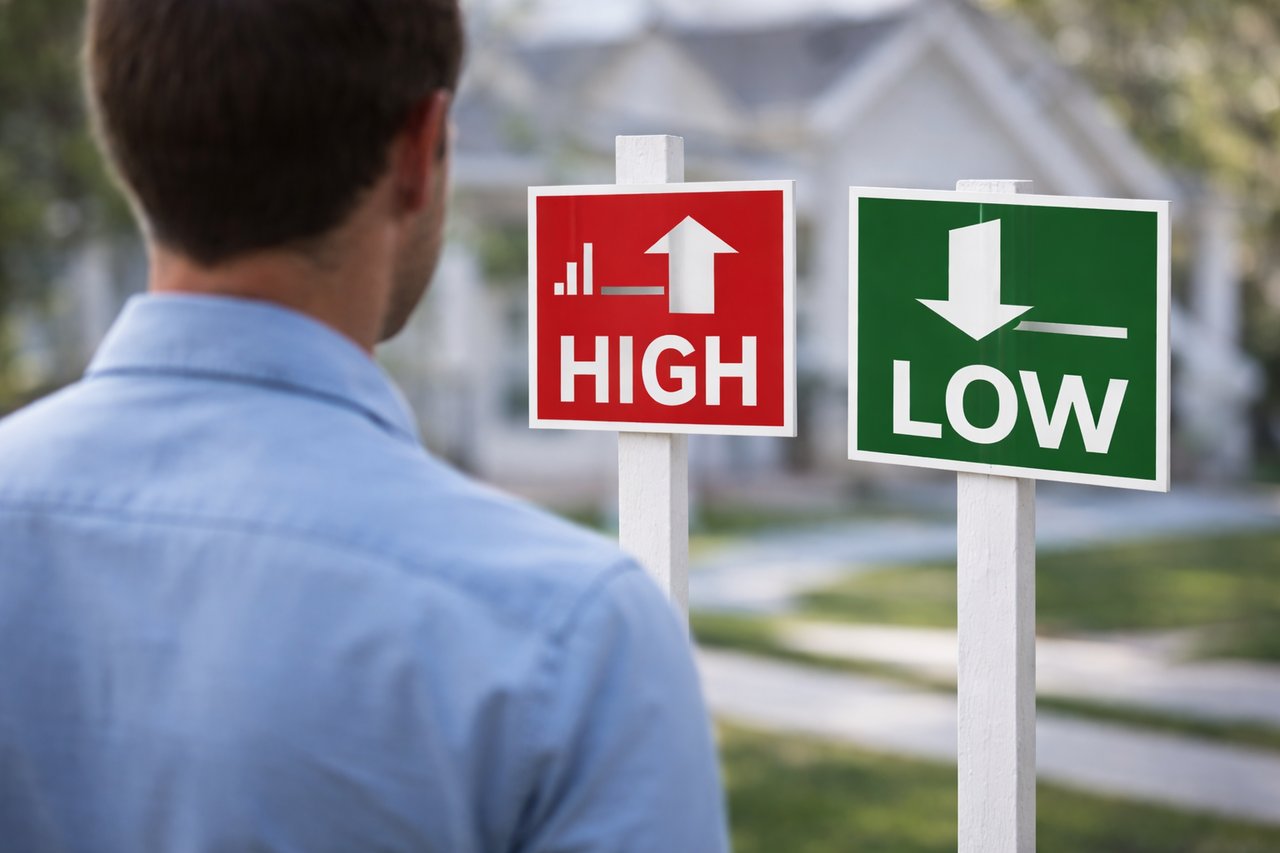
Should I Price My Home High or Low?
Pricing your home is one of the most important decisions you make when selling. The goal is not to price high or low, but to price strategically so your home attracts buyers, generates early momentum, and supports the strongest possible outcome.
Many sellers struggle with whether to price high to leave room for negotiation or price lower to create urgency. The reality is that success usually comes from aligning with the market rather than trying to outguess it.
Why Pricing High Can Work Against You
Pricing high often feels safer because sellers want to avoid leaving money on the table. Some assume they can always reduce the price later if needed.
The challenge is that the strongest buyer interest typically occurs during the first days on the market. If the home appears overpriced initially, many qualified buyers may skip it entirely. Price reductions later do not always bring those buyers back.
Overpricing can lead to:
-
Fewer showings early on
-
Longer time on market
-
Increased buyer skepticism
-
Weaker negotiating leverage
Why Pricing Low Is Not Always the Answer
Pricing lower can attract attention and create urgency, but it is not automatically the best strategy. If the price is significantly below market expectations, buyers may question the home’s condition or assume there are hidden issues.
In more balanced markets, pricing too low may not generate the competition sellers expect and could result in missed value.
Pricing strategy should always reflect real market behavior rather than assumptions.
How the Right Price Creates Momentum
The goal of pricing is to meet the market, not test it. A well priced home attracts serious buyers, generates early showings, and builds momentum quickly.
When buyers feel a property is priced fairly, they are more likely to engage confidently and submit strong offers. Early activity often leads to better negotiating outcomes.
How Market Conditions Influence Pricing Strategy
Pricing strategy should reflect current conditions rather than past market peaks. In competitive markets, pricing slightly below comparable sales may create strong interest. In more balanced or slower markets, accurate and realistic pricing is usually more effective.
Understanding how buyers are behaving right now matters more than what worked previously.
Local Market Considerations in Greater Hartford
In Greater Hartford towns such as West Hartford, South Windsor, Glastonbury, Manchester, Enfield, Vernon, Tolland, and Ellington, pricing correctly is critical. Homes priced based on current data tend to sell more smoothly, while homes priced based on outdated expectations often require adjustments and may ultimately sell for less.
Local knowledge plays a significant role in determining the most effective strategy.
What Sellers Should Focus On
When deciding how to price your home, consider:
-
Recent comparable sales
-
Current competing listings
-
Market pace and buyer demand
-
Condition and updates
-
Your timeline and goals
-
Professional pricing guidance
These factors help determine the most effective price range.
The Better Question to Ask
Instead of asking whether to price high or low, the more useful question is how to price your home in a way that attracts the right buyers and supports your overall goals.
Strategic pricing often produces better results than aiming too high or too low.
Frequently Asked Questions
Should I price high to leave room for negotiation?
Overpricing can reduce buyer interest and weaken your position. Strategic pricing usually produces stronger offers.
Does pricing low guarantee multiple offers?
Not always. Market conditions, location, and buyer demand determine whether competition occurs.
How do I know the right price for my home?
Reviewing comparable sales and current market data with a real estate professional provides the most reliable guidance.
Final Thoughts
Pricing is one of the most powerful tools in the selling process. Setting the right price from the beginning helps create interest, maintain momentum, and achieve stronger results.
If you are preparing to sell in West Hartford, South Windsor, Glastonbury, Manchester, Enfield, Vernon, Tolland, Ellington, or anywhere in the Greater Hartford area, I am always happy to help you develop a pricing strategy that positions your home for success.