Thinking about a move to Greater Hartford and wondering if South Windsor fits your life and commute? You are not alone. Many professionals and families choose this mid-sized suburb for its residential feel, access to parks, and convenient routes into Hartford. In this step-by-step guide, you will get clear timelines, commute pointers, neighborhood preview tactics, the Connecticut closing process, and a vendor checklist so your move stays calm and on track. Let’s dive in.
Why South Windsor fits Greater Hartford movers
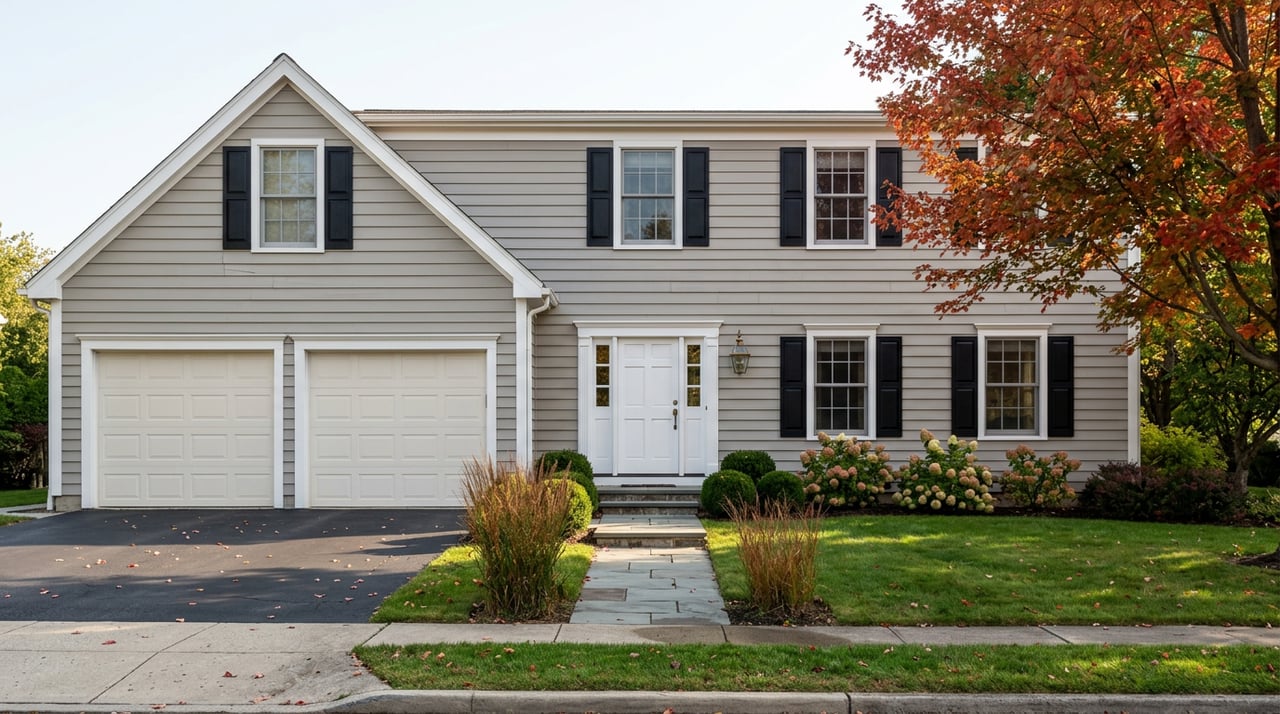
South Windsor sits just northeast of Hartford with easy access to I-84, I-91, and key corridors into downtown and East Hartford. You get primarily residential neighborhoods with village centers, parks, and riverside areas.
The town is a mid-sized suburb with a housing mix that leans single-family, plus some townhomes and multifamily options. Many households choose South Windsor for its suburban pace and access to wider metro jobs.
If you have school-age children, South Windsor Public Schools serve K–12 students. For the most current data, review official state education resources and district guidance. Use neutral, published information to compare programs and enrollment procedures.
Pick your timeline
Choose the plan that matches your start date, financing, and family needs. In Connecticut, most purchase-to-closing windows run about 30 to 60 days, depending on lending, inspections, and title.
90-day calm move
- 12 weeks out
- Research neighborhoods, commute routes, and amenities.
- Connect with a local agent to align on budget and must-haves.
- Start decluttering and plan staging or your home search cadence.
- Gather documents for mortgage pre-approval if buying.
- 8 weeks out
- Get pre-approval or list your current home.
- Get three quotes from movers and reserve your move date.
- Schedule inspections once under contract and plan appraisal timing.
- Begin mail forwarding and set utility transfer windows.
- 4 weeks out
- Confirm closing date with your attorney and lender.
- Arrange child and pet care for moving day.
- Finalize school enrollment steps and paperwork.
- Book temporary housing if needed.
- 1 to 2 weeks out
- Finish packing and confirm mover details.
- Complete seller pre-closing tasks like cleaning and minor repairs.
- Coordinate utility activation and final meter readings.
- Closing and move-in
- Attend your attorney-led closing and sign documents.
- Transfer keys, confirm property condition, and begin move-in.
6-week accelerated move
- Week 6: Start a remote search with virtual showings, choose a South Windsor-focused agent, and get mortgage pre-approval.
- Week 4: Make or accept an offer, book movers and temporary housing, schedule inspections and the appraisal.
- Week 2: Finalize lender and attorney logistics, pack essentials, and plan arrival details.
- Closing week: Attend the attorney-led closing and move in.
2-week rapid transfer
- Secure short-term furnished housing or corporate housing fast.
- Work with a local agent for a quick lease or temporary occupancy.
- Ship essentials now and place the remainder in storage to follow.
- Expect rush fees and higher short-term costs.
Must-do checklist for any move
- File a change of address with USPS.
- Transfer utilities: electric, gas, water, waste, Internet/cable.
- Transfer medical records and register with new providers.
- Register kids for school and schedule tours if possible.
- Start CT DMV steps for vehicle registration and licensing if relocating from out of state.
- Set up home services: security, lawn care, snow removal if needed.
- Update homeowners or renters insurance, and auto insurance to meet CT requirements.
- Address heating oil details where applicable, including final deliveries or tank documentation.
Temporary housing options
Short stays keep your move flexible and reduce pressure on timing. Availability shifts with local corporate demand tied to hospitals, universities, and major employers.
Extended-stay hotels
- Pros: Furnished, utilities included, weekly housekeeping, flexible terms.
- Cons: Higher nightly cost than leases and compact kitchens.
Furnished rentals
- Pros: Full kitchens, neighborhood feel, often cost-effective for stays longer than two weeks.
- Cons: Quality varies. Watch for cleaning fees and local short-term rental rules.
Corporate housing
- Pros: Designed for 30-plus day stays with furniture, Internet, and parking included.
- Cons: Minimum stay requirements and deposits can apply.
Month-to-month apartments
- Pros: More stability and often better value for families.
- Cons: Limited availability and standard screening steps.
Staying with family or friends
- Pros: Lowest cost and built-in support.
- Cons: Limited privacy and time-bound for many.
Local tips:
- Confirm parking and pet policies before you book.
- For longer temporary stays, verify school enrollment address rules if your children will start before your permanent move.
- Get at least three quotes for corporate housing and movers to control costs.
Commute and transportation
Many South Windsor residents commute to downtown Hartford, East Hartford, or employment nodes along I-84 and I-91. Drive times vary by time of day, with typical peak-hour slowdowns at bridges and connectors.
CTtransit serves Greater Hartford with bus routes that link suburbs to downtown and medical or office hubs. Frequency depends on the route and hour, and suburban service can be lighter outside peak times. Commuter rail on the Hartford Line serves Union Station in Hartford for north-south trips when schedules and station access align.
Practical steps:
- Test your route during the times you plan to travel.
- If you are hybrid or remote, note that off-peak drives are usually faster.
- If you plan to use transit, confirm stop locations, schedules, and parking.
- Check downtown parking options and costs through your employer.
Preview neighborhoods fast
Choose a remote-first strategy, then follow with a focused in-person loop to validate your top choices.
Remote-first steps
- Use major home search sites with interactive maps to filter by price, home type, and school zone.
- Check satellite and street-level views to assess tree cover, sidewalks, driveway setups, and orientation.
- Request live video tours with your agent to ask about noise, natural light, and condition in real time.
- Layer public data like school district boundaries, floodplain maps, and other municipal information to inform risk and insurance.
One-day in-person loop
- Visit in the morning and again in the evening to compare traffic and activity.
- Drive your likely commute, then map groceries, pharmacies, parks, and any medical or daycare needs.
- Walk a few blocks in each candidate area to check sidewalks and pedestrian feel.
- Ride with a local agent who understands micro-markets and recent comparable sales.
What to evaluate
- School assignments and feeder patterns based on official district guidance.
- Sidewalks, lighting, and general curb appeal.
- Lot size, tree cover, and outdoor usefulness.
- Distance to employer hubs and downtown Hartford.
- Noise sources like highways, rail lines, or busy intersections.
- Floodplains or wetlands that may affect insurance and future plans.
Connecticut closings: what to expect
In Connecticut, closings are typically attorney-led. Your attorneys coordinate title, documents, funds, recording, and keys. From contract to closing, most timelines run 30 to 60 days depending on lending and inspections.
What attorneys handle
- Title search and title commitment or opinion to confirm ownership and liens.
- Drafting the deed, settlement statement, and mortgage documents.
- Payoff coordination for any existing seller mortgage.
- Recording of the deed and mortgage with the town clerk.
- Settlement funds via secure wire or bank check per attorney and lender.
- Title insurance options for lender and owner policies.
Practical guidance
- Hire an attorney experienced in Connecticut real estate.
- Verify wiring instructions by phone with a known contact to avoid wire fraud.
- Review your Closing Disclosure or settlement statement a few days before closing.
- Confirm keys, possession timing, and final utility readings before you sign.
Vendors and inspections
A tight vendor plan keeps your move on schedule and reduces surprises.
Buyer inspections
- General home inspection.
- Radon testing.
- Septic and well inspections if applicable.
- HVAC, chimney, and moisture or mold checks as needed.
- Lead-based paint considerations for homes built before 1978.
- Oil tank status where relevant, including underground tank documentation.
Seller prep
- Professional photography and staging.
- Targeted repairs through licensed vendors for plumbing, electrical, HVAC, and roofing.
- Deep cleaning and light landscaping.
- Any municipal certificates required by local rules.
Move-in vendors and scheduling
- Movers: get at least three written quotes and verify interstate credentials.
- Short-term storage if you are staggering shipments.
- Locksmith to rekey on move-in day.
- Internet and cable installation scheduled early.
- Utility starts and municipal accounts set before occupancy.
- Optional home warranty and insurance updates.
Costs and negotiation
- Compare estimates for movers and contractors to avoid overpaying.
- If extra time is needed after closing, discuss prorations or post-closing occupancy agreements with your attorney and agent.
Your next steps
- Choose a timeline that fits your start date and financing.
- Shortlist neighborhoods and test your commute during peak times.
- Line up an attorney, lender, and inspections plan early.
- Book temporary housing if needed and lock in movers.
- Ask for a personalized valuation and neighborhood match to fine-tune your path.
If you want a calm, coordinated move with vendor support and clear timelines, reach out. You can Request a Free Home Valuation or Talk About Your Move. You will get a personalized market estimate, a relocation plan tailored to your job and school needs, and a fast response.
Ready to plan your South Windsor move? Connect with Brian Burke CT for a focused consult and a clear path from search to closing.
FAQs
How long is the commute from South Windsor to downtown Hartford?
- Commute times vary by route and time of day. Many residents drive, and peak-hour traffic near bridges and connectors can add time. Test your route during actual commute hours.
What temporary housing works best when I am relocating on short notice?
- For under 30 days, extended-stay hotels offer flexibility. For 30-plus days, furnished rentals or corporate housing can be more comfortable and cost-effective.
What should I know about Connecticut closings?
- Closings are attorney-led. Your attorneys handle title work, documents, funds, and recording. Plan for about 30 to 60 days from contract to closing, depending on lending and inspections.
Which inspections are most common for Connecticut homes?
- A general home inspection with radon testing is common. Add septic and well inspections if applicable, plus HVAC, chimney, and oil tank checks as needed.
How do I preview South Windsor neighborhoods from out of state?
- Use interactive map searches, street-level imagery, and live video tours with your agent. Then schedule an in-person loop that covers commute routes, parks, schools, and daily amenities.
What are the first municipal and utility tasks after I go under contract?
- Start mail forwarding, schedule utility transfers, confirm trash and recycling details, and review town guidance for permits or school registration steps tied to your address.