Thinking about relocating to Glastonbury, CT? If you want a town with quick access to Hartford, a strong everyday-services setup, and a suburban housing mix with room to be selective, Glastonbury deserves a close look. A move is easier when you know how the town works before you arrive, and this guide will help you understand commuting, housing, daily life, and your first-step checklist. Let’s dive in.
Why Glastonbury draws relocations
Glastonbury is an incorporated town that dates back to 1693 and sits about 10 miles southeast of Hartford. The town highlights its historic sites, parks and open spaces, Connecticut River access, and civic programs, which gives you a good sense of its overall character.
From a practical relocation standpoint, the numbers matter too. Census QuickFacts reports a population of 35,553, 14,276 households, an owner-occupied housing rate of 83.2%, a median household income of $157,192, a bachelor’s-or-higher rate of 68.6%, and a mean commute to work of 24.2 minutes. Together, those figures point to a mostly owner-occupied suburban market that often fits professionals and households looking for stability, access, and amenities.
Commute options in Glastonbury
If you are moving for work, commute planning should come first. In Glastonbury, your day-to-day transportation setup is generally car-first, with a few useful alternatives depending on where you work and when you travel.
Road access and regional connections
Road access centers on Route 3 and the Putnam Memorial Bridge, with Route 2 also serving the local network. The Putnam Memorial Bridge carries Route 3 over the Connecticut River between Glastonbury and Wethersfield, which makes it a key link for many regional commutes.
If your job requires regular travel across the river or toward Hartford, it helps to test your route at the times you expect to drive most often. Construction activity and lane notices can affect travel patterns, so a trial run before you commit to a home search area is a smart move.
Bus and ferry alternatives
For some commuters, CTtransit’s 904 Glastonbury Express can add flexibility. The route runs on weekdays only and includes stops at Putnam Bridge Park & Ride, Main Street and Glastonbury Boulevard, Main Street and Naubuc Avenue, Hebron Avenue and Main Street, plus downtown Hartford stops.
The Rocky Hill-Glastonbury Ferry is another local option. It serves motorists, cyclists, and tourists, runs on demand rather than on a fixed departure schedule, and typically operates from April 1 through November 30 with weekday and weekend hours. That makes it a helpful seasonal tool, not a year-round daily default for most residents.
Access to Hartford-area job centers
Glastonbury benefits from being part of the broader Hartford regional economy. State materials identify insurance and financial services, aerospace, manufacturing, healthcare, and higher education as major sectors in the region, with employers that include Aetna, Cigna, ESPN, Eversource, Hartford HealthCare, and Pratt & Whitney.
For many relocating buyers, that means you can live in Glastonbury while staying connected to a wide range of employment hubs. If you are comparing towns, this regional access is one of Glastonbury’s practical advantages.
Everyday life after the move
A relocation decision is not just about getting to work. It is also about how easy life feels once the boxes are unpacked.
Daily services and town resources
Glastonbury offers a solid day-to-day services framework for new residents. The town’s resources for residents centralize utility services, refuse and recycling information, trash haulers, property taxes, voter registration, transportation services, and the citizen request system.
That matters because your first few weeks in a new town are usually full of small administrative tasks. Having one place to organize those details can save time and reduce stress.
Shopping and dining
The town also notes that residents regularly use local shopping and retail locations and dine at restaurants, bars, and cafes. For a relocation decision, that is helpful context because it suggests you will have a mix of practical errands and casual outings close to home.
You may still want to map your preferred grocery, fitness, pharmacy, and dining routines before choosing a specific area in town. That kind of planning can make your move feel more settled much faster.
Recreation and outdoor access
One of Glastonbury’s standout strengths is the variety of recreation options available within town. If you value outdoor access and active routines, this can become a meaningful part of your quality of life.
Parks, trails, and open space
Official town information describes abundant walking and hiking trails in parks and open spaces. Gay City State Park and the Shenipsit Trail also pass through portions of town, giving you additional options for outdoor time close to home.
If you are relocating from a denser area, this can be one of the biggest lifestyle adjustments in a positive way. You are not limited to a single downtown green or a short path. You have multiple ways to build recreation into your weekly routine.
Riverfront amenities
Riverfront Park adds another layer to Glastonbury’s appeal. The park includes a boathouse, boat launch, storage, playground, dog park, walking trails, athletic fields, and river recreation partnerships.
For buyers comparing suburban towns, river access can be a real differentiator. It gives you both scenic value and practical recreation options without leaving town.
Community center resources
The Riverfront Community Center expands the town’s recreation picture even more. Town materials list fitness and wellness programming, four pickleball courts, lunch service, a café, and a food pantry.
That mix is useful because it supports more than one type of daily routine. Whether you want fitness access, social programming, or community services, the center provides another practical touchpoint after your move.
Housing in Glastonbury
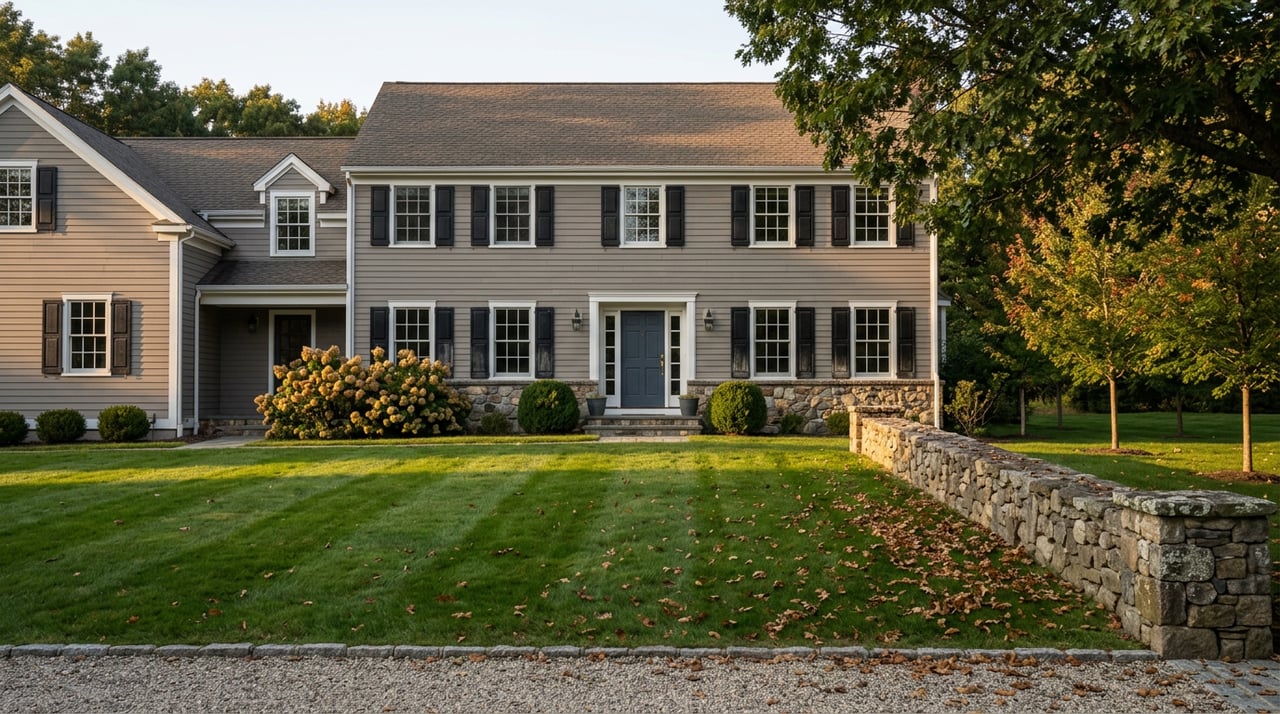
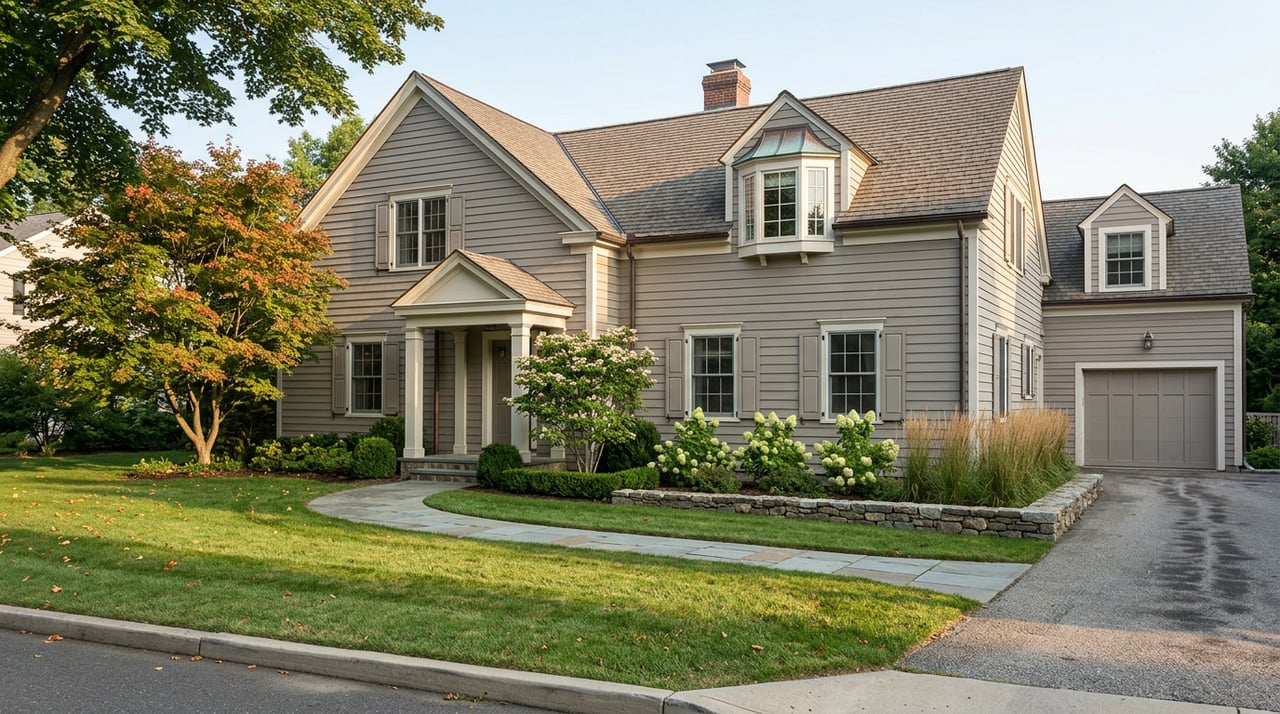
Before you relocate, it helps to understand what the local housing profile actually looks like. Glastonbury’s data suggests a market with a strong single-family foundation, plus some additional options depending on your goals and budget.
Home values and rental context
Census QuickFacts reports a median owner-occupied home value of $445,200 and a median gross rent of $1,700. Those figures support the broader picture of a mostly owner-occupied suburban market with an active rental segment.
If you are deciding whether to rent first or buy right away, these numbers can help frame your planning. They do not replace current market analysis, but they do provide useful baseline context for your search.
Housing types to expect
The town has stated that it recognizes the need for a variety of housing types. Local housing information and survey results indicate that residents reported living in single-family detached homes, condos or apartments, townhouses, duplexes, 3- to 4-family buildings, accessory dwelling units, and senior housing or assisted living settings.
It is important to treat the survey-based categories as directional rather than definitive market share. Still, they are useful because they show that your search does not have to begin and end with one housing type.
Accessory apartments and affordable housing
Town zoning regulations allow accessory apartments within single-family dwellings by special permit. That may matter if you are looking for multigenerational flexibility or trying to compare different living arrangements within the town’s rules.
The Housing Authority of the Town of Glastonbury also offers 434 affordable apartments in five developments and 37 Housing Choice Vouchers. If affordability is part of your relocation planning, this is an important local resource to be aware of early.
Schools and family planning resources
If school planning is part of your move, Glastonbury Public Schools provides a clear starting point. The district site lists Glastonbury High School, Smith Middle School, five elementary schools, and Early Learning and Integrated Preschool programming at Eastbury.
Just as important, the district provides registration, calendars, transportation, and related family resources. Even if you are early in the process, reviewing those materials can help you understand logistics before you narrow your housing search.
When comparing areas in town, keep your focus on commute, housing type, daily routines, and district logistics. That approach tends to give relocating households a clearer picture than relying on assumptions.
A practical relocation timeline
A move goes more smoothly when you break it into steps. Here is a simple timeline based on Glastonbury’s local setup.
8 to 12 weeks before your move
Start with commute planning. Test driving routes that use Route 3, the Putnam Memorial Bridge, and Route 2, and decide whether the 904 express or seasonal ferry could realistically support your routine.
6 to 8 weeks before your move
Narrow your preferred housing type first. In Glastonbury, your options may include single-family homes, condos or apartments, townhouses, accessory apartments, and affordable apartment resources.
If school logistics matter to your household, use the district’s school list, registration details, and transportation information while comparing locations. That can save you time later.
2 to 4 weeks before your move
Use the town’s new-resident resources to line up the practical details:
- Utility services
- Refuse and recycling information
- Trash hauler information
- Property tax information
- Voter registration
- Transportation services
This is the stage where many moves start to feel real. Taking care of these items ahead of time can reduce last-minute friction.
Move week
Once you arrive, complete a few town-specific setup tasks:
- Sign up for email notifications
- Sign up for emergency alerts
- Save the citizen request system
- Review local library and transportation resources
- Check school links if needed
If you are moving during colder months, note the town’s listed free sand and salt locations. Small details like that can make your first week easier.
Your first month
Re-check any commute alternatives before making them part of your daily routine. The 904 express is weekday-only, and the ferry is seasonal, so availability matters.
This first month is also a good time to revisit your local routines. Test your drive times, identify your go-to errands, and get a feel for which parks, trails, or riverfront spaces you will use most often.
How to approach your home search
If you are relocating to Glastonbury, a practical home search usually starts with three filters: commute, housing type, and daily routine. That means understanding how often you need to be in Hartford or elsewhere, deciding whether you want to buy or rent, and thinking through what you want nearby on a normal weekday.
From there, it helps to compare homes with a process, not just a wish list. Focus on travel patterns, monthly ownership or rental costs, access to town services, and how quickly you can get settled once you move in.
That kind of structured approach is especially useful in a town like Glastonbury, where the appeal is not just one feature. It is the combination of regional access, established housing, community resources, and outdoor amenities.
If you want help making sense of the move, working with a local advisor can simplify the process. Brian Burke CT can help you evaluate Glastonbury from a relocation perspective, compare your options, and build a clear plan for your next move.
FAQs
What is the general lifestyle in Glastonbury, CT?
- Glastonbury is a suburban town southeast of Hartford with historic sites, parks and open spaces, Connecticut River access, civic programs, shopping, dining, and a broad mix of recreation resources.
What are the main commute options in Glastonbury, CT?
- Most residents will find Glastonbury to be car-first, with Route 3, the Putnam Memorial Bridge, and Route 2 as key travel routes, plus the weekday-only 904 Glastonbury Express and the seasonal Rocky Hill-Glastonbury Ferry as secondary options.
What kinds of housing can you find in Glastonbury, CT?
- Local data and town information point to a housing mix that includes single-family homes, condos or apartments, townhouses, duplexes, 3- to 4-family buildings, accessory apartments, and affordable apartment resources.
What should new residents set up first in Glastonbury, CT?
- New residents should start with utility services, refuse and recycling, trash hauler information, property taxes, voter registration, transportation services, email notifications, and emergency alerts through the town’s resident resources.
What school planning resources are available for a move to Glastonbury, CT?
- Glastonbury Public Schools provides school listings, registration information, calendars, transportation details, and related family resources that can help you plan before and after your move.