You want the right home and the right school fit, without guesswork or surprises. If you are looking in Glastonbury, you are weighing village-center convenience against larger lots, commute routes, and school assignment details that can shift street by street. This guide gives you a clear process to compare neighborhoods and verify schools before you tour homes. You will learn what to check, where to find authoritative data, and how to balance tradeoffs so you can move with confidence. Let’s dive in.
Glastonbury at a glance
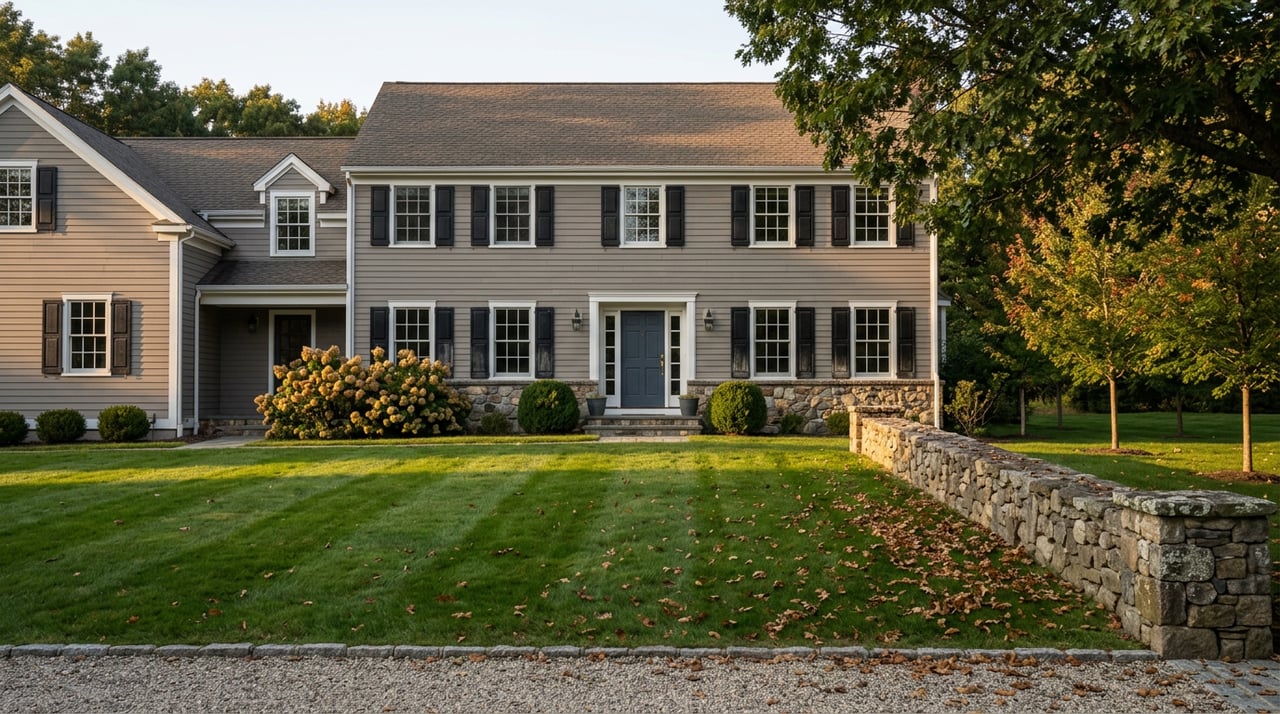
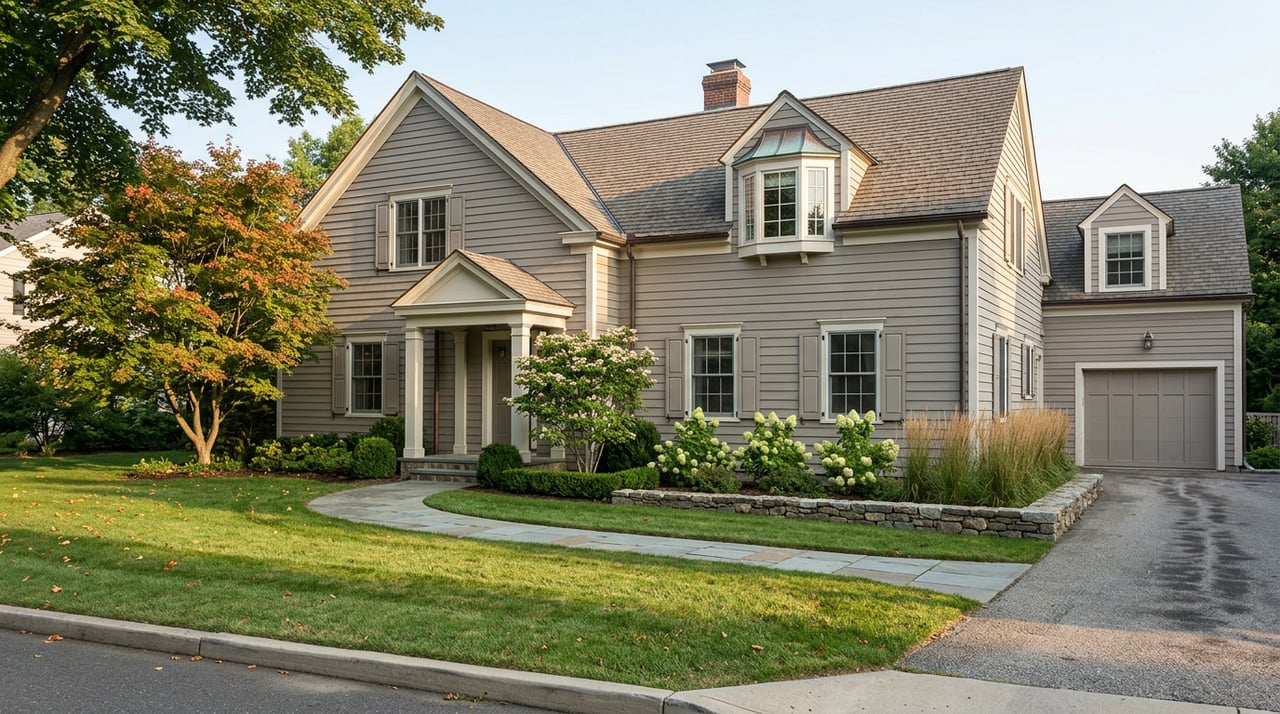
Glastonbury sits just east of Hartford. You will find a mix of walkable village-center areas near Main Street and the river, established mid‑century neighborhoods, newer subdivisions, and more rural or wooded parcels as you move outward. Housing options range from historic center‑village homes and older colonials to mid‑20th‑century ranch and colonial streets, newer single‑family subdivisions, and smaller condo or townhome developments. New construction tends to occur in peripheral subdivisions rather than in the historic center.
Many residents commute to Hartford and other Greater Hartford employers. Personal vehicle is the primary mode, and there is no direct passenger rail in town. Commute quality depends on proximity to major roads and bridges over the Connecticut River, so use live‑routing tools to test typical peak hours from target neighborhoods. If you prefer walkable errands and dining, Glastonbury Center offers shorter local trips, while outer neighborhoods are more car‑dependent.
Homes near the Connecticut River or low‑lying areas can fall within FEMA flood zones. Always verify elevation and flood insurance needs property by property. Town planning documents, conservation parcels, and open‑space designations help preserve long‑term neighborhood character, so consider those factors as you compare areas.
How public schools are organized
Most Connecticut districts use a K–5 elementary, 6–8 middle, and 9–12 high school structure. Confirm Glastonbury’s current grade configuration and the official school list on the district’s website before you narrow your search. Attendance boundaries determine the default public school for each address, and they can differ within the same neighborhood.
When comparing schools, look beyond a single rating. Consider program depth, student support, and opportunities that fit your child. Inventory items like advanced coursework, STEM, music and arts, world languages, athletics, career and technical pathways, counseling and social‑emotional supports, English learner services, and special education resources.
Where to get trustworthy data
Use state and federal sources for the clearest picture of performance and trends. The Connecticut State Department of Education provides School Report Cards with proficiency, growth, graduation rates, staffing, and subgroup performance. The National Center for Education Statistics publishes school‑level enrollment, demographics, and student‑teacher ratios.
District and town websites share school profiles, course catalogs, enrollment procedures, and program descriptions. Local PTO or PTA pages, newsletters, and town news can surface updates on facility projects or boundary notices. Third‑party summaries and rankings can add parent perspectives, but treat them as subjective and cross‑check with state data.
Attendance zones and maps
Confirm attendance zones early. Boundaries may change with enrollment shifts, new housing, or capacity adjustments. The most reliable sources are the district enrollment or registrar office, district boundary maps, and Town of Glastonbury GIS or parcel maps. Ask the district to verify assignment in writing for your specific address.
Mapping tools help you visualize how a street aligns with a school. Start with district-supplied attendance maps and any school assignment lookup by address. State or national tools like school locators provide a second check. Some real estate platforms display schools, but data can be outdated, so always confirm with the district before you rely on it.
Neighborhood types to compare
Village and center areas
Near Glastonbury Center and Main Street, you will find historic housing, smaller lots, and walkable access to shops and restaurants. These areas suit buyers who want shorter local trips and in‑town community events. School assignments can be the same as nearby established neighborhoods, but boundaries sometimes shift along small streets, so confirm by address.
Riverfront and South Glastonbury
These locations are attractive for their proximity to the river, orchards, and scenic drives. If you look here, verify flood zone status on a property‑by‑property basis. Check school assignment, commuting routes over the river, and the availability of pedestrian amenities if walkability matters to you.
North and outer neighborhoods
As you move away from the center, you will see larger lots and newer subdivisions. Expect longer local drives to amenities and schools compared with the village center. These areas may feed different elementary schools that still connect to the same middle and high school path, so confirm the specific sequence by address.
Newer subdivisions
Newer streets can draw many incoming families at once. Ask whether recent or planned construction is creating enrollment pressure that might lead to capacity adjustments. Verify if the district anticipates any boundary reviews affecting your target addresses.
Balancing schools and lifestyle
Choosing a home in Glastonbury is a multi‑factor decision. Use this checklist to keep tradeoffs clear and evidence‑based:
- Confirm the assigned school for the exact address, and ask about assignment stability.
- Review Connecticut School Report Cards for proficiency and growth; look for trends over multiple years.
- Check program offerings that match your child’s interests, such as AP or honors options, arts, STEM, world languages, and athletics.
- Ask about average class size and staffing stability for the current year.
- Map the school commute and your work commute during peak hours; test after‑school pickup timing.
- Weigh walkability to town amenities against lot size, yard space, and quieter streets.
- Consider resale: school assignment can support long‑term value, while higher prices near sought‑after areas reflect competition.
- Screen for risk factors like FEMA flood zones, major‑road noise, and planned development that could change neighborhood character or school capacity.
Common tradeoffs include choosing between a smaller‑lot home near the center with a specific elementary assignment versus a larger‑lot property that feeds a different elementary path. You might also weigh a shorter Hartford commute against a more rural setting with longer drive times. List your top three priorities up front so you can judge each property against the same criteria.
Step-by-step plan before touring
Prepare early so you can act fast when the right home appears. A simple pre‑showing routine helps you avoid surprises.
- Verify school assignment for the property address with the district registrar or the official lookup tool.
- Review current and 3–5 year trends on state School Report Cards for each assigned school.
- Pull the parcel in the Town of Glastonbury GIS and check FEMA flood map layers.
- Use route planners to test real commute times and school drop‑off patterns during typical rush hours.
- Contact the district about enrollment procedures, documentation, and any planned redistricting or capital projects.
- If you are open to alternatives, identify private, magnet, charter, or vocational options in Greater Hartford and note application timelines.
Questions to ask schools and the district
You will get the best insight by asking targeted, practical questions.
- What is the current average class size by grade, and has it changed this year?
- Which advanced or specialized programs are offered, and how do students access them?
- How are counseling, social‑emotional learning, and behavioral supports delivered during the school day?
- What is the process and timeline for any out‑of‑district transfers, if applicable?
- Are there anticipated boundary adjustments, building projects, or enrollment pressures I should know about?
Timeline for relocating families
A simple timeline keeps your search on track and reduces stress.
- 6–12 months out: Explore School Report Cards, visit neighborhoods, and test commute patterns from likely areas.
- 3–6 months out: Contact the district registrar about enrollment rules and open houses, shortlist neighborhoods, and set listing alerts.
- 1–2 months out: Confirm school assignment for target properties, schedule school tours, and verify any application or lottery deadlines for alternatives.
Final thoughts and next steps
Glastonbury offers a range of neighborhoods, from walkable village blocks to larger‑lot subdivisions, with public schools that you can evaluate using clear, state‑level data. If you organize your priorities, verify attendance zones by address, and plan your commute and school logistics up front, you will make a confident, well‑supported move.
If you want a local, data‑driven partner to coordinate neighborhood scouting, school verification, and a smooth offer strategy, connect with Brian Burke CT. We can help you weigh tradeoffs, set a clean timeline, and secure the right home with less stress.
FAQs
Which Glastonbury school would my child attend?
- Verify the assigned school by your exact address with the district registrar and confirm any boundary notes in writing before you make an offer.
How reliable are online ratings for Glastonbury schools?
- Use Connecticut School Report Cards as your objective baseline for proficiency and growth, then add context from school visits, class‑size data, and program offerings.
Do Glastonbury school boundaries change often?
- Boundaries can change with enrollment or new construction, so ask about any planned adjustments and whether existing students are covered by a grandfathering policy.
How should I weigh commute time versus school fit in Glastonbury?
- Test peak‑hour routes from target streets, compare them with school start and activity times, and decide whether daily drive time or specific program access ranks higher for your family.
What should I check about flood risk near the river?
- Review FEMA flood maps and property elevation for any home near low‑lying or riverfront areas, and discuss flood insurance implications with your lender and insurer early.