You know Newport for summer sparkle and festival buzz, but what happens when the visitors head home? If you are considering a move, you want to know how daily life feels from October to May, where to find essentials, and how seasons affect traffic and housing. This guide gives you a clear, practical picture of year-round living so you can decide if Newport fits your lifestyle and goals. Let’s dive in.
Newport at a glance, year-round
Newport is a compact coastal city with about 25,000 residents, according to the U.S. Census QuickFacts. It hosts a much larger number of visitors each year, with city planning documents citing roughly 3.5 million. That scale shapes how streets, parking, and events operate in peak season, and why the pace changes so much in the off months. The City of Newport hazard mitigation plan also outlines the community’s coastal setting and weather planning.
The year-round economy blends tourism with steady anchors. The naval and defense research footprint and related education programs provide stable employment across seasons, as shown in the Rhode Island defense cluster analysis. Healthcare at Newport Hospital and local universities also help keep services and activity going when summer crowds thin.
How the city changes by season
Late spring to summer
From May through September, downtown and the waterfront feel busy. Mansion tours, the Cliff Walk, and harbor areas are lively. The Preservation Society’s Newport Mansions often operate on fuller schedules in these months, and the Newport Folk and Newport Jazz festivals concentrate big crowds and lodging demand. Expect traffic delays on major weekends and plan errands early in the day or midweek.
Autumn shoulder months
October and November bring a quick drop in visitors after Labor Day. Streets calm down, and many restaurants and attractions shift to reduced or weekend-focused hours. You still get museum and mansion programming in a lighter setting, and the waterfront is easy to enjoy without summer congestion.
Winter quiet
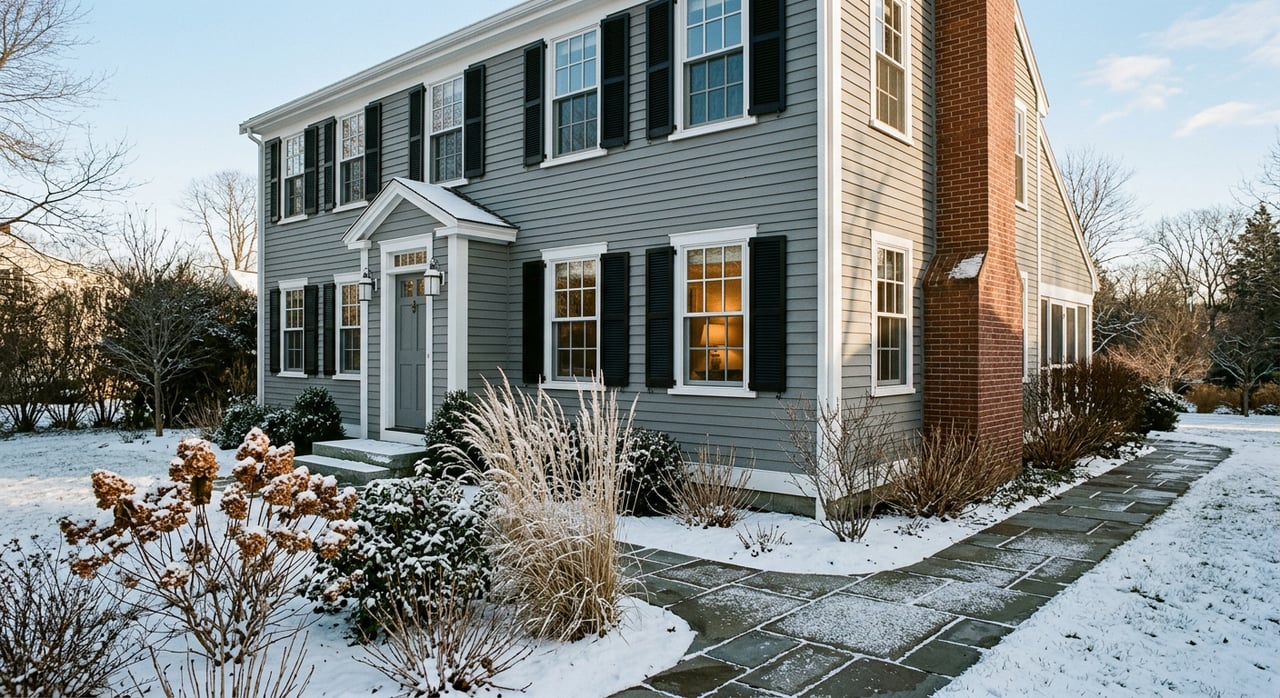
December through February is the most local stretch. Some restaurants and shops close or limit hours, but core services remain steady. Winter storms can bring wind, snow, and coastal surge. The city’s hazard plan anticipates storm readiness and shelter planning across seasons, which helps residents prepare.
Spring ramp-up
From March into May, attractions add hours, festivals announce lineups, and hospitality hiring increases. Early spring storms can still appear, but the city gradually returns to peak-season rhythms by late spring.
Getting around and parking
Newport’s historic street grid is charming and narrow. In summer, traffic and parking get tight around Thames Street, Memorial Boulevard, and festival zones. Plan to leave extra time in July and August. If you live outside the core, you will likely rely on a car. If you live downtown, you can do many trips on foot or by bike but should study local parking rules.
Transit helps but does not fully replace a car. RIPTA’s seasonal service updates often add frequency on routes that serve popular attractions and connect with ferry shuttles. These options reduce stress on busy weekends. They also make short errands easier in peak season.
Everyday essentials that run year-round
Healthcare access
You have acute care on the island through Newport Hospital. As part of the Lifespan and Brown University network, it serves Newport County and is a key year-round anchor for residents.
Groceries and daily shopping
Full-service supermarkets and drugstores operate year-round. You can shop at places like the Stop & Shop on Bellevue Avenue. Many small specialty shops and some restaurants adjust hours in winter, so it helps to check schedules during the off-season.
Education and community life
Newport’s colleges help keep programs and events on the calendar through winter. Civic groups, arts organizations, and year-round restaurants form a steady social fabric. Summer festivals add a spike of activity, but your day-to-day routine can feel grounded even in quiet months.
Neighborhood fit guide
Newport is walkable and compact, but each area offers a different feel. Match your daily needs to the setting that fits you best.
Downtown and Thames Street
- Who it suits: You want maximum walkability and to be close to dining and harbor activity.
- Summer: Very lively with crowds and late-night energy. Parking can be limited, so check permit options.
- Winter: Quieter streets, easier reservations, and a more local vibe.
Bellevue Avenue and Cliff Walk area
- Who it suits: You value historic architecture, scenic streets, and proximity to the Mansions and Cliff Walk.
- Summer: Tourist traffic increases near attractions and tour routes.
- Winter: Peaceful walks and striking views with fewer visitors; many homes are older and may need specialized maintenance.
Memorial Boulevard and Easton’s Beach corridor
- Who it suits: You want easy beach access and a residential pocket that stays connected to the waterfront.
- Summer: Popular beach days can back up traffic near the boulevard.
- Winter: Calmer beach walks and straightforward parking.
Middletown, Portsmouth, and Jamestown
- Who it suits: You want more space and a quieter, more suburban or rural setting close to Newport.
- Summer: Easier daily parking and less street congestion than the downtown core.
- Winter: Consistent quiet and simple errands, with quick access to the city when you need it.
Coastal living and homeownership realities
Newport’s waterfront setting is part of its appeal. It also brings costs and care that you should factor into your plans. Older homes can require attention to foundations, roofing, and exterior materials. Waterfront or low-lying properties may need flood insurance and careful review of elevation and exposure. The City of Newport hazard mitigation plan highlights relative sea-level rise, storm surge, and preparedness planning. If you are evaluating a coastal home, build time into your due diligence for insurance quotes and contractor consultations.
What off-season life actually looks like
- Errands: Plan grocery runs and appointments in the morning during peak months. In winter, you can often park close to shops and restaurants.
- Dining and culture: Expect reduced hours for some restaurants and attractions in winter. You still have museum programming and local arts options to enjoy.
- Community rhythm: The city shifts from visitor-centered events to neighborhood and university activities. You can lean into civic groups, winter menus, and smaller gatherings.
Year-round checklist for prospective residents
- Transportation: If you own a car, expect parking and traffic challenges in July and August. Consider biking or walking for short hops downtown. Learn your street’s parking rules early.
- Transit: Review summer trolley and ferry shuttle options to reduce peak-season driving. They help for short trips, though a car remains useful if you commute off the island.
- Healthcare: Know your closest urgent care and hospital entrances. Newport Hospital serves as the county’s primary acute-care provider.
- Groceries: Confirm year-round supermarkets and drugstores near your home. For specialty shops and restaurants, check seasonal hours.
- Insurance and maintenance: If you buy near the water or in a low-lying area, ask about flood insurance and storm-hardening steps. Factor in upkeep for older or historic properties.
- Storm readiness: Keep a simple plan for coastal storms. Charge devices, stock basics, and follow city updates during weather events.
Is Newport right for you?
If you love coastal scenery, culture, and a small-city feel, Newport offers a rewarding lifestyle beyond tourist season. You get steady healthcare access, reliable daily shopping, and a community that keeps going in winter. You also balance summer crowds, seasonal traffic, and coastal maintenance realities. With the right neighborhood fit and a clear plan for parking, transit, and home care, you can enjoy the best of both seasons.
If you want a tailored game plan, from neighborhood selection to coastal due diligence and negotiation strategy, connect with Brian Burke CT to Request a Free Home Valuation or Talk About Your Move.
FAQs
What is Newport’s year-round population and visitor scale?
- The city has about 25,000 residents per U.S. Census QuickFacts, and city planning cites roughly 3.5 million annual visitors.
How do winters affect daily life and services in Newport?
- Winters are quieter, with some reduced hours for shops and restaurants, but core services like supermarkets and Newport Hospital operate year-round.
What should you expect for traffic and parking in summer?
- Streets and parking near downtown and beaches are crowded during peak months and festival weekends, so plan errands early and consider transit for short trips.
Are there reliable transit options besides driving?
- Yes. RIPTA seasonal service updates typically add frequency on popular routes, which helps reduce driving in peak season.
What should coastal homeowners consider in Newport?
- Review flood exposure, insurance needs, and maintenance for older homes. The city’s hazard mitigation plan outlines local coastal risks and preparedness.
Do grocery stores and essentials stay open in winter?
- Yes. Year-round supermarkets and drugstores remain open, including the Stop & Shop on Bellevue Avenue, though some specialty shops may reduce hours.