Wondering why one part of Newport feels like a compact colonial seaport while another feels open, formal, and tied to grand estates? If you are buying, selling, or simply narrowing down where you want to live, understanding Newport by home style and streetscape can make the search much clearer. This guide breaks down the city’s major architectural patterns and the neighborhood feel that often comes with them, so you can better match your goals to the right part of town. Let’s dive in.
Why Newport Feels So Varied
Newport is not a one-style market. City planning materials identify 19 neighborhood areas, and the city notes that architecture often acts as the main substitute for neighborhood cohesion.
That helps explain why the feel can shift quickly from block to block. Newport’s built environment spans the Colonial era through the Gilded Age, with newer mixed-use and waterfront development layered in as well.
Historic preservation also plays a major role in how the city looks today. Roughly 55% of Newport’s physical area falls under Historic District Commission jurisdiction, with more than 1,900 properties protected by historic-area zoning and about 40% of the city located in the Local Historic District.
Colonial And Early Newport Character
Colonial, Georgian, and Federal homes
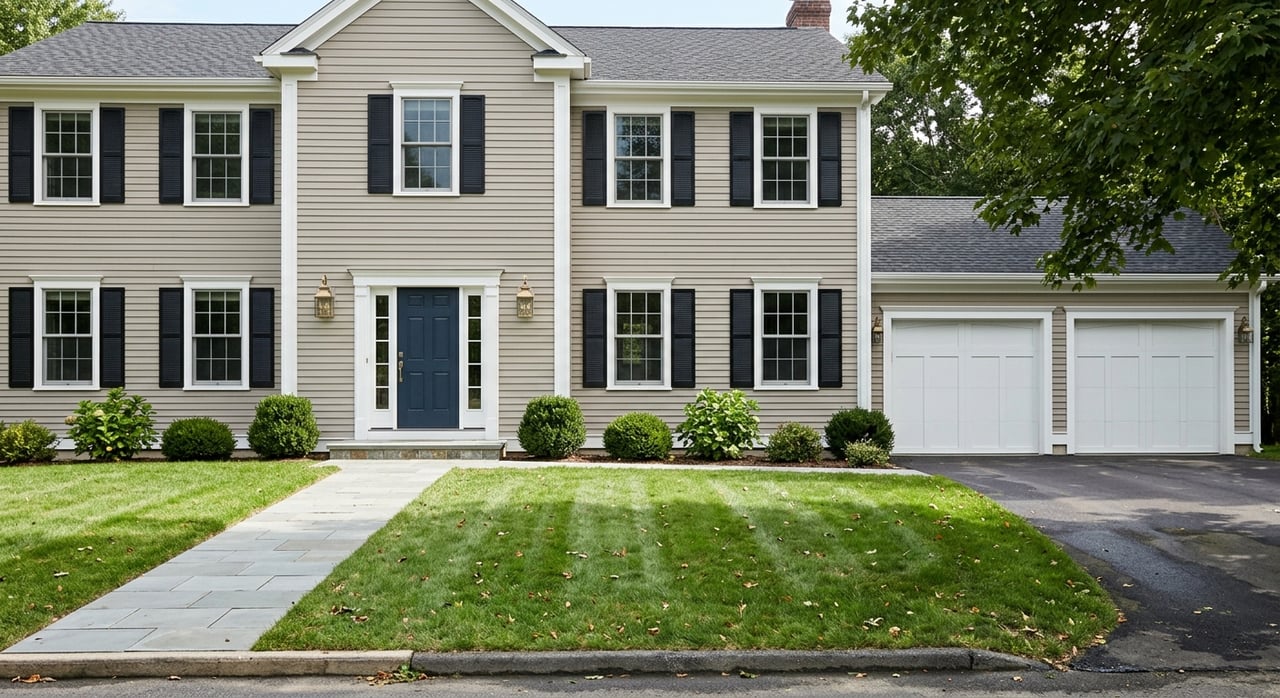
In Newport’s oldest areas, you will often see Colonial, Georgian, and Federal influences. These styles tend to read as balanced and orderly, with simpler rooflines and less ornament than later periods.
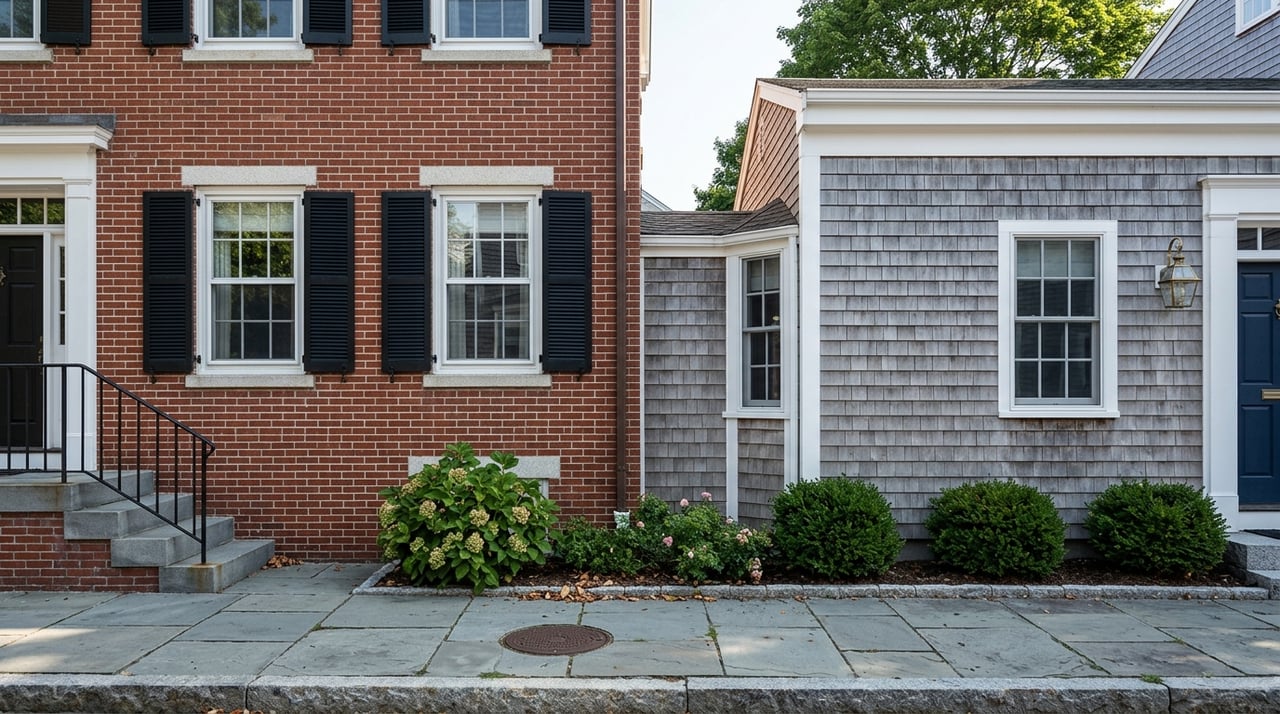
For many buyers, that creates a sense of scale that feels intimate rather than dramatic. Streetscapes in these areas often feel tighter, with homes closer together and a more continuous street wall.
What this style feels like day to day
These homes often support a more street-oriented experience. You may notice shorter visual gaps between houses, modest lot patterns, and blocks that feel connected to the city’s early seaport layout.
If you like walkable, older, and visually layered surroundings, this part of Newport may feel especially appealing. The architecture tends to create character through proportion and repetition rather than sheer size.
Compact Historic Core Neighborhoods
The Point and Historic Hill
The Point is one of Newport’s oldest neighborhoods and follows a Quaker grid, with modest vernacular houses on 50-by-100-foot lots and rear additions. Historic Hill is one of the city’s most urban neighborhoods, with houses often set right at the street and a mix of building periods.
Together, these areas feel compact, historic, and closely tied to Newport’s earliest development pattern. If you value a strong sense of place shaped by old streets and smaller-scale homes, these neighborhoods often deliver that experience.
Old Beach and Kerry Hill
Old Beach is primarily residential and almost entirely within the Historic District. Kerry Hill has minimal front setbacks, a defined grid, and walkable access to downtown and the waterfront.
That combination often creates an older, street-facing feel rather than a suburban one. For buyers, the appeal is often the rhythm of the blocks and the ease of moving between home, downtown, and the waterfront.
Resort-Era Architecture In Newport
Gothic Revival, Queen Anne, Stick, and Shingle
Newport’s 19th-century resort era brought a different look. Landmark examples include Gothic Revival, eclectic revival styles, Stick Style, Queen Anne, and Shingle Style homes.
These styles usually feel more expressive than early Colonial or Federal homes. You may see asymmetry, varied materials, porches, turrets, and a looser relationship between the house and the landscape.
How these homes shape neighborhood feel
Where these styles cluster, the streetscape can feel more picturesque and less rigid. The architecture often creates visual variety from house to house, which gives some areas a more layered and resort-oriented identity.
For buyers, this can mean a stronger emphasis on design detail and outdoor setting. For sellers, it can also mean that presentation matters because architectural character is often part of the value story.
Estate Areas And The Scenic South Side
Bellevue Avenue and Kay-Catherine
Kay-Catherine evolved from pasture and small farms into a resort-era district with one- to five-acre estates and eclectic villas in designed landscapes. Bellevue Avenue and Estates is largely defined by estate residential and institutional land use with large estate lots.
This part of Newport feels more open and formal than the compact historic core. Larger setbacks, broader grounds, and more landscape design tend to create a sense of visual separation between properties.
Ocean Drive and nearby districts
Ocean Drive is mostly multi-acre residential and open space bordered by the Atlantic and Narragansett Bay. Lily and Almy Pond is characterized by large open spaces and limited infrastructure, while Memorial Boulevard blends mostly single-family homes with commercial, institutional, and lodging uses in a central corridor.
These areas often feel scenic, expansive, and less tightly gridded. If you are drawn to a stronger connection to open space, coastal edges, and a more monumental street presence, the south side may align with your goals.
Gilded Age Influence On Street Presence
Newport’s Gilded Age estate houses helped define the city’s national image. Homes such as Chateau-sur-Mer, The Breakers, The Elms, and Marble House reflect styles ranging from Italianate and Victorian to Italian Renaissance and French-inspired design.
While not every home in these districts is a mansion, the influence of that era still shapes the feel of nearby streets. Larger setbacks, formal landscapes, and a more dramatic scale often create a sense of grandeur that is very different from the city’s colonial core.
Waterfront And Transition Areas
Harbor / Lower Thames and Fifth Ward
Harbor / Lower Thames combines waterfront businesses, small-lot multifamily housing, and commercial storefronts. The city also notes seasonal business turnover and traffic impacts in that area.
Fifth Ward consists mostly of small-lot residential properties, parks, and civic amenities with clear waterfront exposure. These areas can feel lively, mixed, and closely tied to day-to-day waterfront activity.
Downtown, North End, and Goat Island
Downtown can support denser development, while the North End is being planned as a more pedestrian-friendly urban village with mixed-use redevelopment. Goat Island adds hotel, condominium, convention, and marina uses to Newport’s waterfront mix.
If you want a setting shaped by mixed uses and evolving development patterns, these areas may stand out. Compared with the colonial core or estate districts, the feel here is often more transitional and function-driven.
Contemporary Coastal And Mixed-Use Housing
Newer-looking housing in Newport tends to appear more often in redevelopment and planning areas than in the oldest historic sections. The North End zoning amendments call for mixed-use development, live-work space, walkable streets, and architecture that reflects modern needs in a low-lying coastal setting.
That creates a different kind of neighborhood feel. Instead of a preservation-driven streetscape, you may see an environment shaped more by updated planning goals, flexibility of use, and pedestrian-friendly redevelopment.
Practical Things To Consider
Historic district review
If a home is in Newport’s local historic district, exterior changes may require review. The Historic District Commission evaluates the property, its street context, and the surrounding neighborhood character.
That does not make historic ownership a negative or a positive by itself. It simply means that if you are planning exterior work, you should understand the review context before making assumptions.
Flood and water exposure
Water and storm exposure are part of the story in some waterfront areas. City planning documents flag sea-level-rise and hurricane-driven water intrusion concerns in Fifth Ward and Ocean Drive, and the city adopted elevation guidance to help preserve historic buildings in flood-prone areas.
For buyers, this is an important part of due diligence. For sellers, it can shape how a home is positioned and what questions come up during the transaction.
Seasonal traffic and activity
Seasonality can also affect how an area feels. The city notes seasonal turnover and traffic along Lower Thames, along with long summer wait times on Bellevue Avenue.
That may be a fair trade if you want to be close to waterfront activity or iconic corridors. Still, it is worth thinking about how the pace of a location fits your day-to-day routine.
How To Match Style With Your Goals
The clearest way to think about Newport is by built form and streetscape. The compact core offers colonial seaport streets and a more urban historic feel, the south side offers landscaped resort-era avenues and estate character, and areas like the North End and Goat Island reflect newer mixed-use waterfront development.
If you are buying, start by asking what matters most to you:
- Historic scale and walkable blocks
- Larger grounds and formal setting
- Waterfront energy and mixed uses
- Newer planning and redevelopment patterns
- Comfort with historic review or flood-related considerations
If you are selling, those same categories can help shape pricing, marketing, and buyer targeting. In Newport, home style is not just about architecture. It is often a major part of how a property feels and how buyers understand its place in the market.
If you want help sorting through Newport’s home styles, neighborhood patterns, or the best fit for your move, Brian Burke CT can help you evaluate the market with a calm, data-driven approach.
FAQs
What home styles are most common in historic Newport neighborhoods?
- Newport’s historic areas often include Colonial, Georgian, and Federal homes, along with later 19th-century styles such as Gothic Revival, Queen Anne, Stick Style, and Shingle Style.
What part of Newport feels most compact and historic?
- Areas such as The Point, Historic Hill, Old Beach, and Kerry Hill are generally described by the city as compact, older, and street-oriented, with tighter setbacks and walkable block patterns.
What part of Newport has the grand estate feel?
- Bellevue Avenue and Estates, Kay-Catherine, and parts of the scenic south side are associated with larger lots, designed landscapes, and a more formal resort-era character.
Are there newer-style housing areas in Newport?
- Yes. Newer-looking and mixed-use development patterns are more associated with places like the North End and Goat Island than with Newport’s colonial core.
Do historic district rules affect Newport homes?
- Yes. If a property is in Newport’s local historic district, some exterior changes may require review by the Historic District Commission based on the property, street context, and neighborhood character.
Which Newport areas may have more water exposure concerns?
- City planning documents specifically flag sea-level-rise and hurricane-driven water intrusion concerns in areas such as Fifth Ward and Ocean Drive.