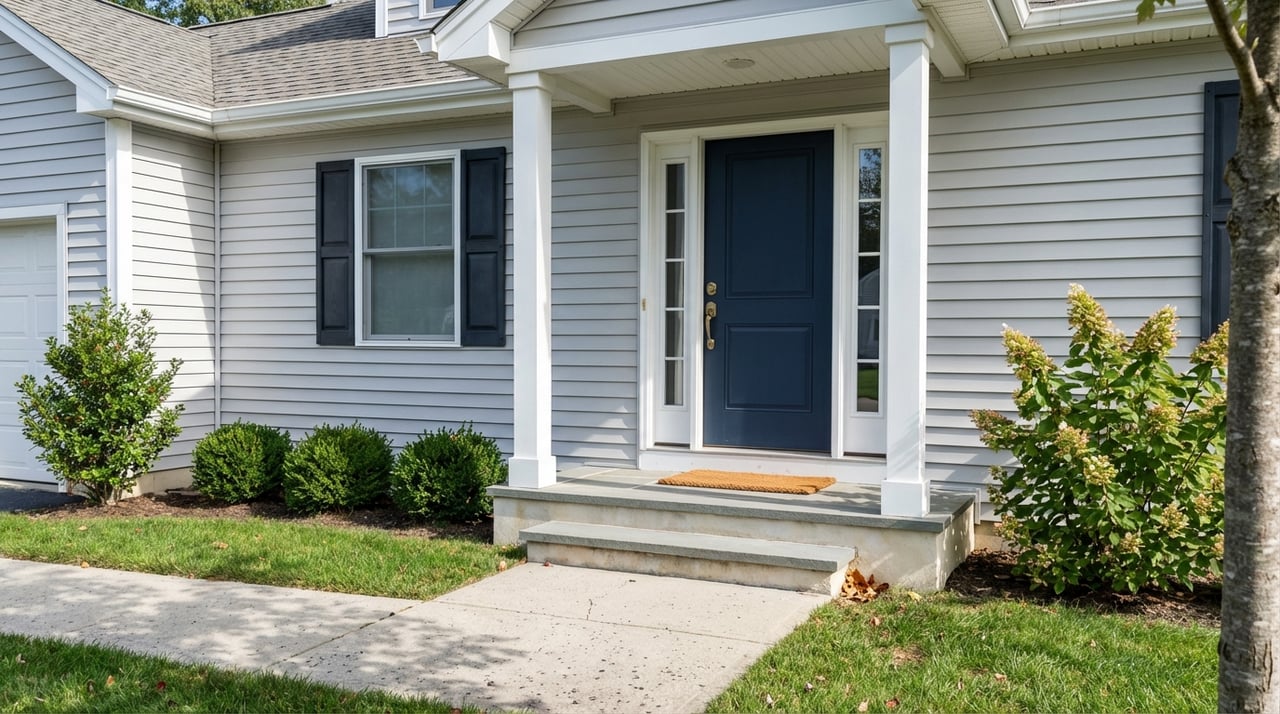
Buying your first home in Manchester should feel exciting, not overwhelming. You might be wondering how much to save, which loans fit best, and what inspections you actually need in a Connecticut town with older housing and tight inventory. You will get clear, local answers here, plus a step-by-step plan tailored to Manchester.
By the end, you will know typical prices, what “starter homes” look like, how to budget for taxes and closing costs, and how to navigate inspections and timelines. You will also see how state programs like CHFA can help. Let’s dive in.
Manchester market at a glance
Manchester’s recent median sale price has been in the low-to-mid $300,000s, with a January 2026 snapshot near $327,000. Inventory has often been tight, which means well-priced homes can move quickly. Plan ahead, get pre-approved early, and be ready to act when a good match hits the market.
Prices vary by neighborhood. Central Manchester, Eastside, West Side, and the Buckland corridor each show different trends, with some historic pockets like parts of Highland Park running higher. Your budget and property type will guide where you focus.
What counts as a starter home
You will see several first-time buyer options in Manchester:
- 1 to 3 bedroom condos and townhouses
- Modest single-family ranches and colonials with 2 to 3 bedrooms
- Select 2-family properties that can work for an owner-occupant
If you plan to use a state first-time buyer program, note that many CHFA products allow single-family homes, condos, townhouses, and even some 2 to 4 unit properties, subject to occupancy and other rules.
Budget and financing basics
Smart budgeting starts with a realistic down payment, a cushion for closing costs, and a view of your monthly costs.
Down payment options
- Conventional low-down programs may go as low as about 3 percent down, depending on lender rules.
- FHA financing typically requires 3.5 percent down for qualifying borrowers and has its own appraisal and condition standards. See the basics on the HUD FHA program page.
- VA loans can allow 0 percent down for eligible veterans and active-duty service members, with specific occupancy and property standards. Learn more on VA’s purchase loan page.
- Many Connecticut first-time buyers use CHFA-backed first mortgages that can be paired with down payment assistance. Start with CHFA’s HFA Preferred and HFA Advantage page.
Closing costs to plan for
Buyer closing costs in Connecticut commonly run about 2 to 5 percent of the purchase price. Typical items include lender fees, appraisal, title search and insurance, attorney or settlement fees, and escrowed taxes and insurance. For a simple breakdown of first-time buyer expenses, see this overview of closing costs and move-in budgeting from AmeriSave.
Monthly costs and property taxes
Connecticut assesses property at about 70 percent of fair market value, and each town applies a mill rate to that assessed value. Manchester’s adopted mill rate has recently been near 39.82, but you should always confirm the current rate with the town. Visit the Manchester Assessment Office for the latest details.
Here is a quick example using a recent Manchester median price. Example only, not a quote:
- Price: $327,000
- Assessed value at 70 percent: about $228,900
- Mill rate: 39.82
- Estimated annual tax: 228.9 x 39.82 ≈ about $9,100 per year
Note that revaluations, exemptions, and district rates can change a bill. Always verify for a specific property.
Insurance and flood considerations
Homeowners insurance in Connecticut often runs higher than the national average and varies by location and property details. If a home sits near the Hockanum River or another floodplain, a lender may require flood insurance. You can check a property’s risk on the FEMA Map Service Center and get quotes early in your process.
Get pre-approved the right way
A pre-approval shows you what you can comfortably afford and helps your offer stand out. If you plan to use a CHFA product, know that CHFA often requires homebuyer education and uses participating lenders statewide. Start your research with CHFA’s HFA Preferred and HFA Advantage page.
What to bring to pre-approval:
- Last 30 days of pay stubs and 2 years of W-2s or tax returns
- Two months of bank statements and asset statements
- Photo ID and residential history
- Any student loan, auto loan, or credit statements
- A list of questions about down payment assistance and monthly payment targets
If you need help with your down payment or closing costs, review CHFA’s Downpayment Assistance Program (DAP). CHFA periodically offers forgivable assistance pilots as funds allow. Always check current caps, income limits, and availability.
House hunting and making offers
Your search should match your budget, your preferred property type, and your timeline. When you find a good fit, your agent will help craft an offer with the right price, deposit, and protections.
- Earnest money in Connecticut often ranges from about $1,000 to $3,000 for lower-priced homes. Many mid-range homes use roughly 1 to 2 percent of the purchase price. In competitive moments, some buyers put down more to signal strength. Your deposit is typically held in escrow and credited to you at closing.
- Common contingencies include financing, appraisal, and inspection. These protect your deposit while you complete due diligence. Waiving protections can strengthen an offer but raises risk. Talk through the tradeoffs before you decide.
Due diligence and local inspections
Inspections are where you confirm condition and plan for upgrades. Connecticut buyers are strongly encouraged to hire licensed home inspectors, and to add specialized tests when the property warrants it.
General inspection and costs
A general home inspection typically reviews roof, structure, electrical, plumbing, and HVAC. In Connecticut, a general inspection often runs about $300 to $650, depending on size and age. Specialized add-ons increase the total. For context on pricing, see this regional cost snapshot on Manta.
What to bring to an inspection:
- A notebook or notes app with your top questions
- Tape measure for furniture and appliance fit
- Comfortable shoes and layers for attic or basement checks
- A phone charger for photos and flashlight use
Radon: test during your window
Connecticut’s geology makes radon testing a smart move. The CT Department of Public Health recommends testing every home, and short-term tests are commonly used during inspection periods. If results exceed EPA action levels, mitigation is usually straightforward. CT DPH lists a typical in-air mitigation cost around $1,200. Read guidance on the CT DPH Radon Program page.
Lead-based paint in older homes
For homes built before 1978, federal law requires a lead disclosure, an EPA/HUD information pamphlet, and gives you a 10-day inspection window unless waived. Learn more from the EPA resource on lead-based paint disclosure rules.
Septic, wells, and oil tanks
If a property has a private septic system or well, add those inspections. For older homes, ask about heating oil systems and any underground storage tanks. Your agent can help you coordinate licensed pros and review municipal records.
From contract to closing
Plan for 30 to 60 days from signed contract to closing if you are using financing. Timeline shifts can happen if an appraisal runs long, if inspection negotiations take extra time, or if lender and title schedules are tight.
Budget for closing costs at roughly 2 to 5 percent of the purchase price. Some programs or sellers can help with costs, but this depends on eligibility and negotiation. Many Connecticut buyers use an attorney or a title company to review the Purchase and Sale Agreement and handle closing. Ask your agent about typical fees and schedules in Greater Hartford.
CHFA and special programs
CHFA’s first mortgages, often paired with down payment assistance, are a common path for Connecticut first-time buyers. Begin with CHFA’s HFA Preferred and HFA Advantage overview. If you need help with cash to close, explore CHFA’s DAP loan. Caps and availability can change, so check CHFA’s site for current details and participating lenders.
Other routes to consider:
- FHA at 3.5 percent down for qualifying borrowers. Review requirements on HUD’s FHA page.
- VA for eligible veterans and service members with little-to-no down payment. See VA purchase loan details.
- USDA may apply in rural fringe areas, but most of Manchester is suburban and will not qualify. Ask your lender to check property-level eligibility if a listing appears outside core neighborhoods.
Manchester first-time buyer checklist
- Clarify your monthly budget and savings target.
- Get pre-approved and ask about CHFA, FHA, and VA options.
- Tour likely neighborhoods and refine your must-haves.
- Set your ceiling price and deposit strategy.
- Write a strong offer with the right contingencies.
- Complete general inspection and needed tests, including radon.
- Review results, negotiate repairs or credits, and finalize loan.
- Confirm property taxes and insurance, including any flood coverage.
- Do a final walkthrough and bring settlement funds.
- Close, get keys, and plan your first-year maintenance.
Work with a local guide
Your first purchase should be clear, confident, and well negotiated. With an analytical, step-by-step approach, you can secure the right Manchester home and avoid costly surprises. If you want a data-led plan, vendor coordination, and a calm advocate from offer through closing, connect with Brian Burke CT to get started.
FAQs
What is the typical price for a first home in Manchester CT?
- Recent snapshots place Manchester’s median sale price in the low-to-mid $300,000s, with a January 2026 read near $327,000, though prices vary by neighborhood and property type.
How much earnest money will I need in Connecticut?
- Many first-time buyers put down about $1,000 to $3,000 on lower-priced homes, while mid-range offers often use 1 to 2 percent of the price, held in escrow and credited at closing.
How much should I budget for closing costs?
- A common range is 2 to 5 percent of the purchase price for lender fees, appraisal, title, attorney or settlement costs, and prepaid escrows for taxes and insurance.
Which inspections are most important in Manchester?
- A general home inspection is standard, with common add-ons like radon testing, and when applicable, sewer, septic, well, and lead testing for pre-1978 homes.
How are Manchester property taxes calculated?
- Connecticut typically assesses at 70 percent of market value, then applies the local mill rate. Confirm the current rate with the Manchester Assessment Office.
Do I need flood insurance in Manchester?
- If a property is in a Special Flood Hazard Area, lenders require flood insurance. Check a property’s status on the FEMA Map Service Center and get quotes early.